
The full house remodeling insurance impact in Florida is the rare case where a large construction spend can reduce a recurring cost rather than raise it, but only if the scope and the paperwork are handled deliberately. A whole-house remodel typically replaces the exact items Florida carriers underwrite on — roof, electrical panel, plumbing supply lines, and window and door openings — and those four replacements are the difference between a home that is expensive and difficult to insure and one that is neither. The risk is in the middle of the project, where a standard homeowners policy quietly stops protecting you. Ofir Engineering is a licensed Florida general contractor (License #CGC 1540016) with 15+ years serving Jacksonville, Ponte Vedra, St. Johns, and Northeast Florida.
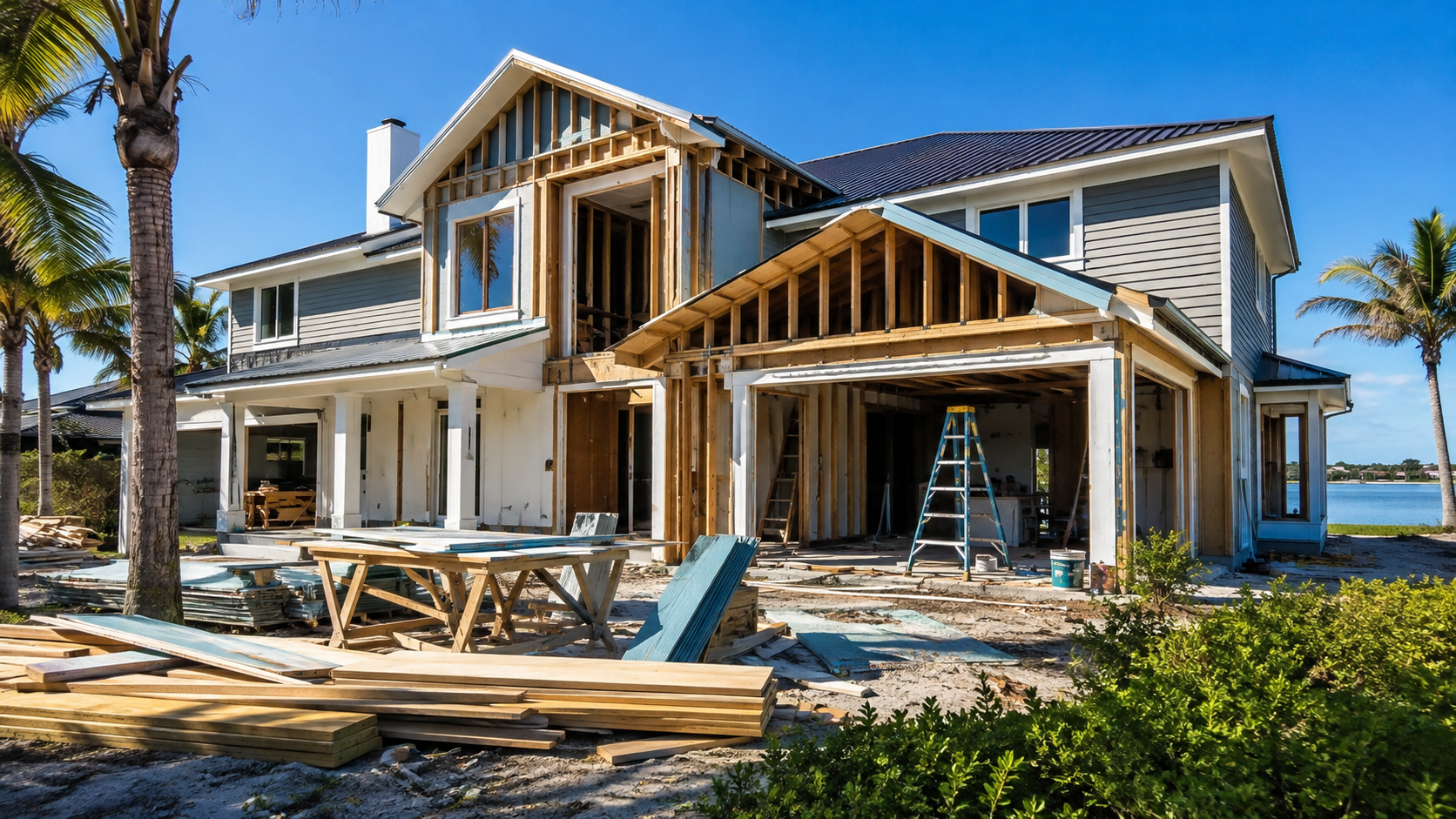
The Coverage Gap During Construction
Start with the part that goes wrong. A standard Florida homeowners policy insures an occupied, finished dwelling. A whole-house remodel violates both assumptions at once, and two provisions come into play.
The vacancy or unoccupancy clause is the first. Most policies restrict or suspend key coverages once a home stands unoccupied beyond a stated window, commonly thirty to sixty days. A whole-house remodel almost always requires you to move out for longer than that. If you do not notify your carrier and arrange the right endorsement, you can be uninsured during the months when the house is open, full of materials, and least defended.
The second is coverage for the work itself. Materials delivered to the site, partially completed construction, and damage from wind, water, fire, or theft during the project are not automatically covered. That belongs on a builder’s risk policy or a renovation endorsement, and it should be explicit in writing whose policy carries it — yours or the contractor’s — and for what limit. Separately, require a certificate of insurance from your contractor showing general liability and workers’ compensation before anyone starts work. An injury on your property caused by an uninsured crew is an exposure that lands on the homeowner.
Full House Remodeling Insurance Impact After the Work Is Done
Florida underwriting is unusually concrete about what it cares about, and a full remodel tends to address all of it. The four-point inspection that most Florida carriers require on older homes looks at exactly four systems: roof, electrical, plumbing, and HVAC. A home with a twenty-year-old roof, a known-problem electrical panel, or original polybutylene or galvanised supply lines can be declined outright or pushed into surplus lines at a much higher rate. A whole-house remodel that replaces those systems moves the home from that category into standard-market eligibility, and the annual saving is often larger than homeowners expect.
Wind mitigation is the second lever. If the remodel includes a new roof and impact-rated windows and doors, the home becomes eligible for credits on the state’s uniform mitigation verification inspection form: roof covering, roof deck attachment, roof-to-wall connections, secondary water resistance, roof geometry, and opening protection. Opening protection is normally the largest single credit and is generally all or nothing — every glazed opening including the garage door must be protected. That makes it worth completing across the whole house during the remodel rather than leaving three original windows in a back bedroom and forfeiting the credit. Florida’s mitigation credit framework is published by the Florida Office of Insurance Regulation.
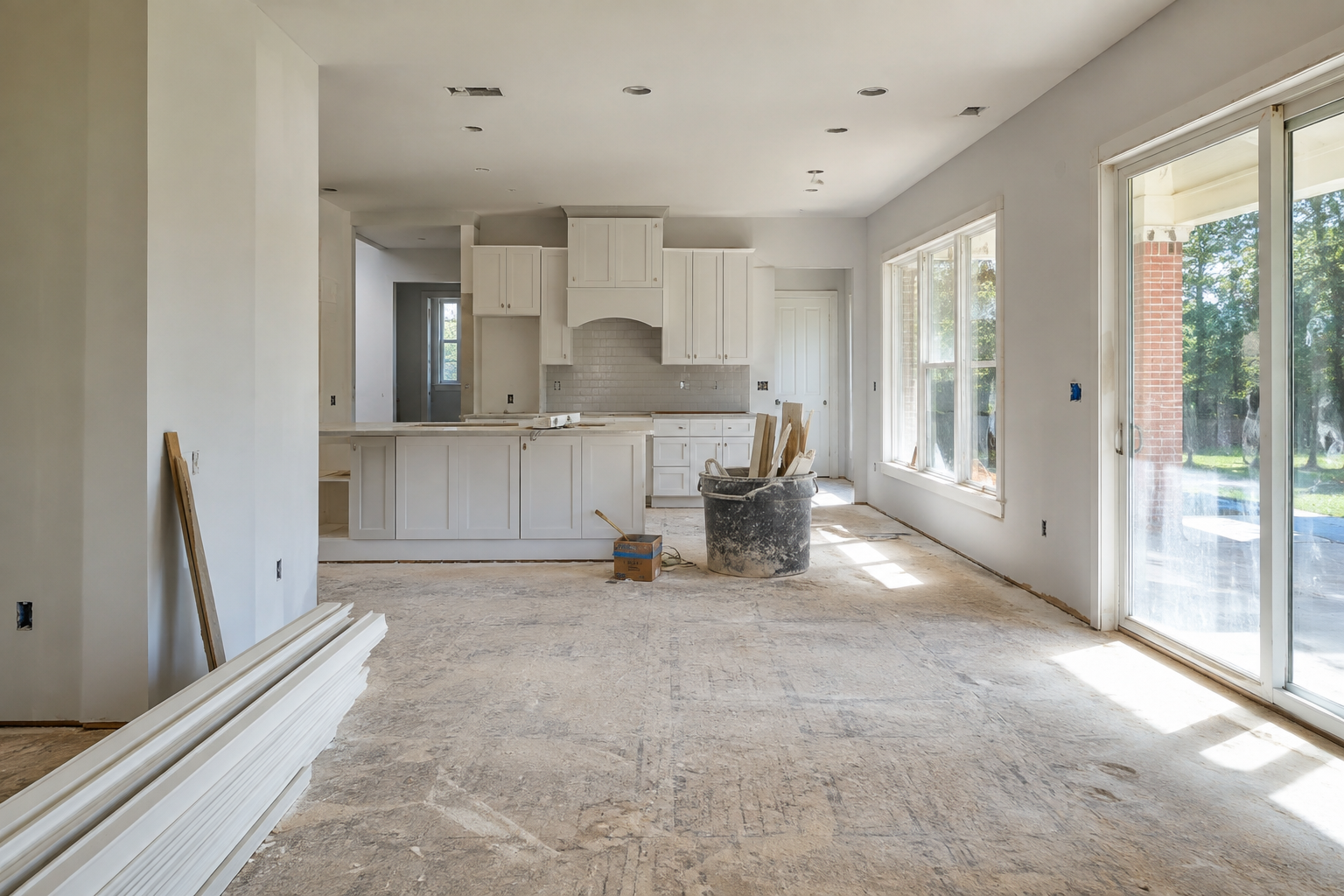
The Offsetting Increase, and the Flood Zone Threshold
Two things push in the other direction and should be planned for. The first is replacement cost. A remodel raises the cost to rebuild the home, so Coverage A must be recalculated upward afterwards. Skipping that step is the more expensive error: many Florida policies apply a coinsurance provision, and a home insured below the required percentage of replacement cost can have a partial-loss claim reduced proportionally. The higher premium on an accurate limit is far cheaper than a reduced claim.
The second is the substantial improvement rule. If the property sits in a Special Flood Hazard Area and the cost of the improvement reaches fifty percent of the structure’s market value, the entire building must be brought into compliance with current flood requirements, which typically means elevating it. This can reshape the whole project, and it is a design-stage question rather than a closeout question. Establish your flood zone and base flood elevation before the scope is finalised.
Making Sure the Savings Actually Arrive
Insurance savings are not automatic; they are documented. When the project closes out, order a fresh four-point inspection and a fresh wind mitigation inspection, and submit both to your carrier or agent. Keep permit records and final inspection approvals, product approval numbers for windows and doors, and dated invoices for the roof, electrical, and plumbing work. Then re-shop the policy — a home that was uncompetitive to insure a year ago may now attract standard-market carriers that previously declined it, and staying with the same insurer out of habit can leave the entire benefit on the table.
Finally, keep everything permitted. Unpermitted work in a remodel can give a carrier grounds to deny a related claim, may not be counted by an appraiser, and becomes a disclosure and renegotiation issue at sale. If your scope includes the openings, read our guide to wind mitigation under Jacksonville code for whole-house remodels. If you are still deciding between renovating and expanding, compare against a home addition. For a whole-house scope planned with the insurance outcome designed in, see our whole home remodeling programme or contact Ofir Engineering.
Frequently Asked Questions
Do I need to tell my insurer about a whole-house remodel?
Yes, before work starts. Your policy may suspend coverage once the home is unoccupied past a stated period, and construction risk usually needs a builder’s risk policy or endorsement. Afterwards, dwelling coverage must be raised to the new replacement cost.
Will a full remodel lower my Florida homeowners premium?
Often, yes. Replacing the roof, electrical panel, plumbing supply lines, and openings addresses exactly what Florida carriers underwrite on, which can move the home into standard-market eligibility and unlock wind mitigation credits. Higher replacement cost partly offsets this.
What is a four-point inspection?
An inspection of roof, electrical, plumbing, and HVAC that most Florida carriers require on older homes. Aging or known-problem components in any of the four can lead to a decline or a much higher rate. A whole-house remodel typically resolves all four at once.
Does a remodel in a flood zone trigger extra requirements?
It can. If the home is in a Special Flood Hazard Area and improvement costs reach fifty percent of the structure’s market value, the whole building must comply with current flood requirements, usually meaning elevation. Establish this before finalising the scope.
Keep Building With Ofir Engineering
Related discussions & follow us: Facebook · Reddit
Latest & related guides: Explore more Whole Home Remodeling guides →
