
Apartment builder warranty coverage in Florida is not a single guarantee handed over at closing. It is a layered set of obligations — some written into your contract, some implied by law, some flowing from manufacturers, and all of them governed by procedural rules and time limits that decide whether a claim is worth anything years later. Owners and investors who understand the layers before signing get far better outcomes than those who discover them during a dispute. Ofir Engineering is a licensed Florida general contractor (License #CGC 1540016) delivering multifamily and residential projects across Jacksonville and Northeast Florida. This article is general information about how these obligations are structured, not legal advice; construction defect claims are fact-specific and warrant counsel.
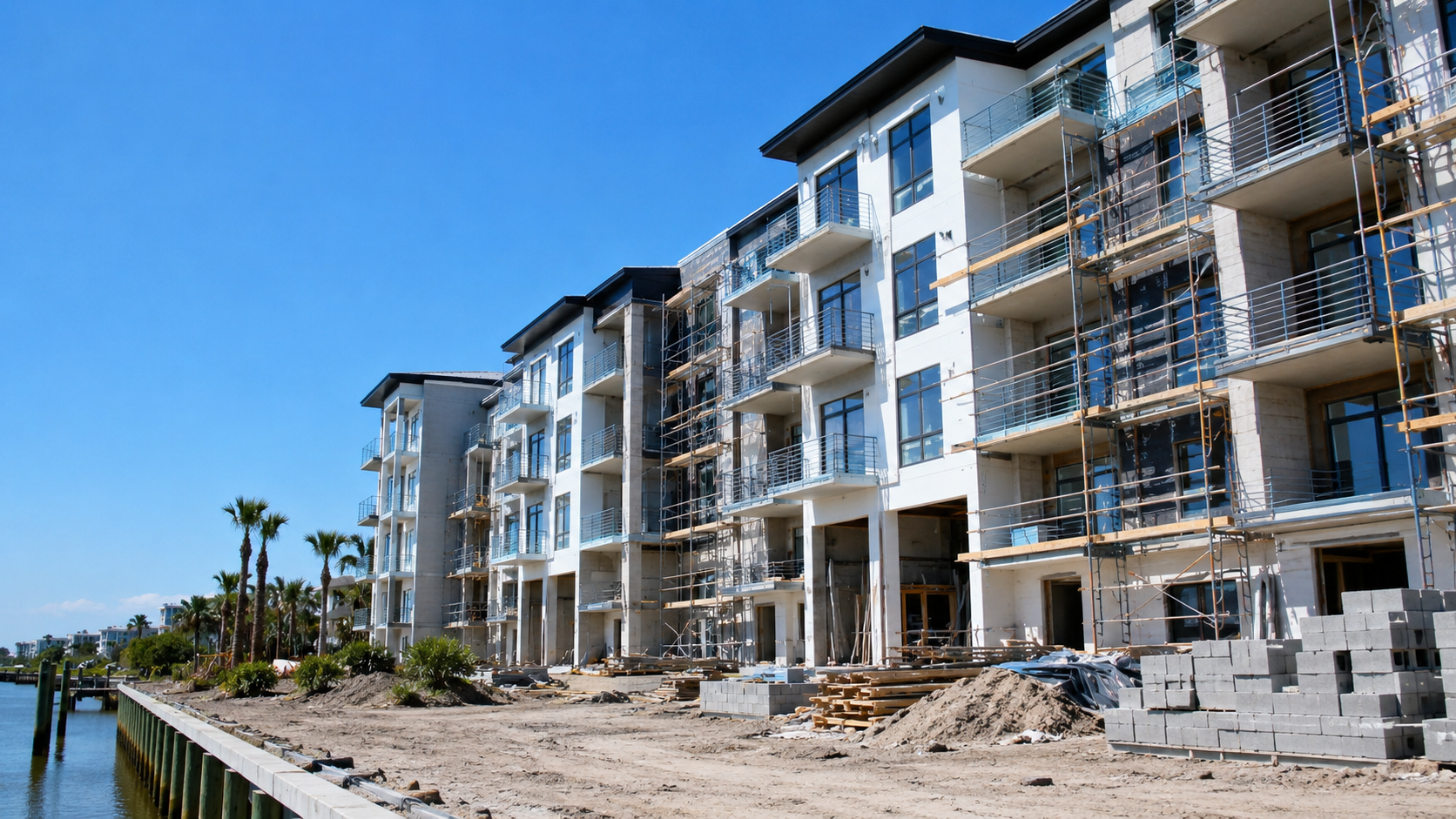
The Three Layers of Apartment Builder Warranty Coverage
The express contractual warranty is the one most owners think of: a written promise from the builder, most commonly running one year from substantial completion, to correct defects in workmanship and materials. Its scope is whatever the contract says, which is why the contract language matters far more than the customary duration. A well-drafted warranty defines what counts as a defect, sets response and cure timeframes, states who bears access and consequential costs, and survives assignment if the property is sold.
Implied warranties exist independently of the contract. Florida law has long recognized implied warranties in new residential construction — broadly, that the work is performed in a workmanlike manner and that the structure is fit for its intended use as a habitable dwelling. These are creatures of case law and statute rather than a single tidy provision, they can sometimes be limited or disclaimed by clear contractual language, and their application varies with the type of project and the identity of the claimant. That variation is exactly why counsel matters on a real claim.
Manufacturer and system warranties are the third layer and are frequently the most valuable over time. Roofing systems, windows, mechanical equipment, elevators, and waterproofing assemblies carry their own coverage, often far longer than the builder’s one-year period. They are also conditional: many require registration, professional installation by a certified applicator, and documented maintenance. An owner who never receives the registration confirmations effectively holds less coverage than they paid for.
Chapter 558 and the Procedure That Governs Claims
Florida has a statutory pre-suit process for construction defect claims. In broad terms, before filing suit, a claimant must serve written notice describing the alleged defects in reasonable detail, and the recipient is given an opportunity to inspect and to respond — which may include offering to repair, offering monetary settlement, or disputing the claim.
The practical effects are worth understanding. The notice requirement means documentation matters enormously: photographs, dated correspondence, inspection reports, and maintenance records are what make a defect description credible. The inspection right means access must be granted, and refusing it undermines a claim. And the response window means claims take time to mature, which is why waiting until the last month before a deadline is a poor strategy. The statutory framework is published in Chapter 558 of the Florida Statutes. Parties can also modify aspects of dispute resolution by contract, so the agreement should be read alongside the statute.
Time Limits Are the Provision That Ends Most Claims
Two distinct clocks apply, and confusing them is the most common and most costly mistake.
A statute of limitations runs from when the claim accrues — generally when the defect is discovered or reasonably should have been discovered. A statute of repose is an absolute outer boundary measured from completion-related milestones such as actual possession by the owner, the issuance of a certificate of occupancy, abandonment, or termination of the contract, and it can extinguish a claim even if the defect was genuinely undiscoverable until afterward.
Florida’s repose period for improvements to real property has been shortened by the Legislature in recent years, and the triggering events have been amended as well. Because these amendments affect which projects fall under which version, the applicable deadline for any specific building must be confirmed against the statute in effect for that project — and confirmed with a lawyer, not from an article. The practical takeaway for owners is unambiguous: latent defects in envelope and structure often surface late, and the window to act is shorter than most people assume. That is the argument for a professional forensic assessment well before the outer limit approaches, rather than after a leak becomes visible in a unit.
What Sophisticated Owners Negotiate
Because the default position is thinner than most buyers expect, the meaningful protection is created in the contract, before construction.
Consider negotiating an extended warranty on the assemblies that matter — roofing, waterproofing, and building envelope — beyond the customary one year, since these are where failures are expensive and where they surface slowly. Require a documented eleven-month walkthrough, formally scheduled before the one-year express warranty expires, with a written punch list and dated correction records; this single practice recovers more value than any other. Require assignment of all manufacturer and subcontractor warranties to the owner in writing, with registration confirmations delivered as a condition of final payment.
Address retainage and security so there is leverage during the warranty period rather than after final payment has cleared. Define the response protocol: who is notified, in what form, how quickly the builder must inspect, and how quickly they must cure. Confirm insurance and bonding, including whether completed-operations coverage remains in force after substantial completion. And require a complete closeout package — as-builts, submittals, O&M manuals, commissioning reports, and warranty documents — because a warranty you cannot document is difficult to enforce.
Owners should also be aware that maintenance obligations run the other way. Deferred maintenance is the most common defense raised against a warranty claim, and an owner with organized service records is in a far stronger position than one without.
Investors planning multifamily or build-to-rent work can review our approach on the custom home construction page, see how the same standards apply to larger projects in commercial construction, or contact Ofir Engineering to discuss warranty and closeout terms before a contract is executed.
Frequently Asked Questions
How long is an apartment builder’s warranty in Florida?
The express contractual warranty is most commonly one year from substantial completion, but that is a market convention rather than a statutory minimum, and it is negotiable. Implied warranties and manufacturer warranties operate on separate timelines, and statutory deadlines set the outer boundary for bringing a claim.
Do I have to send notice before suing over construction defects?
Florida’s statutory framework generally requires a written pre-suit notice describing the alleged defects, with an opportunity for the recipient to inspect and respond before litigation proceeds. The specific requirements and any contractual dispute-resolution terms should be reviewed with counsel.
What is the difference between a statute of limitations and a statute of repose?
A limitations period runs from when a claim accrues, generally at discovery of the defect. A repose period is an absolute outer deadline measured from completion-related milestones and can bar a claim even if the defect was not discoverable until later.
What is the single most useful thing an owner can do during the warranty year?
Conduct a documented eleven-month inspection before the express warranty expires, ideally with a qualified third party, and submit findings in writing. It surfaces defects while the builder is still obligated to correct them and creates the dated record that supports any later claim.
Keep Building With Ofir Engineering
Related discussions & follow us: Facebook · Reddit
Latest & related guides: Explore more Custom Home Construction guides →
