
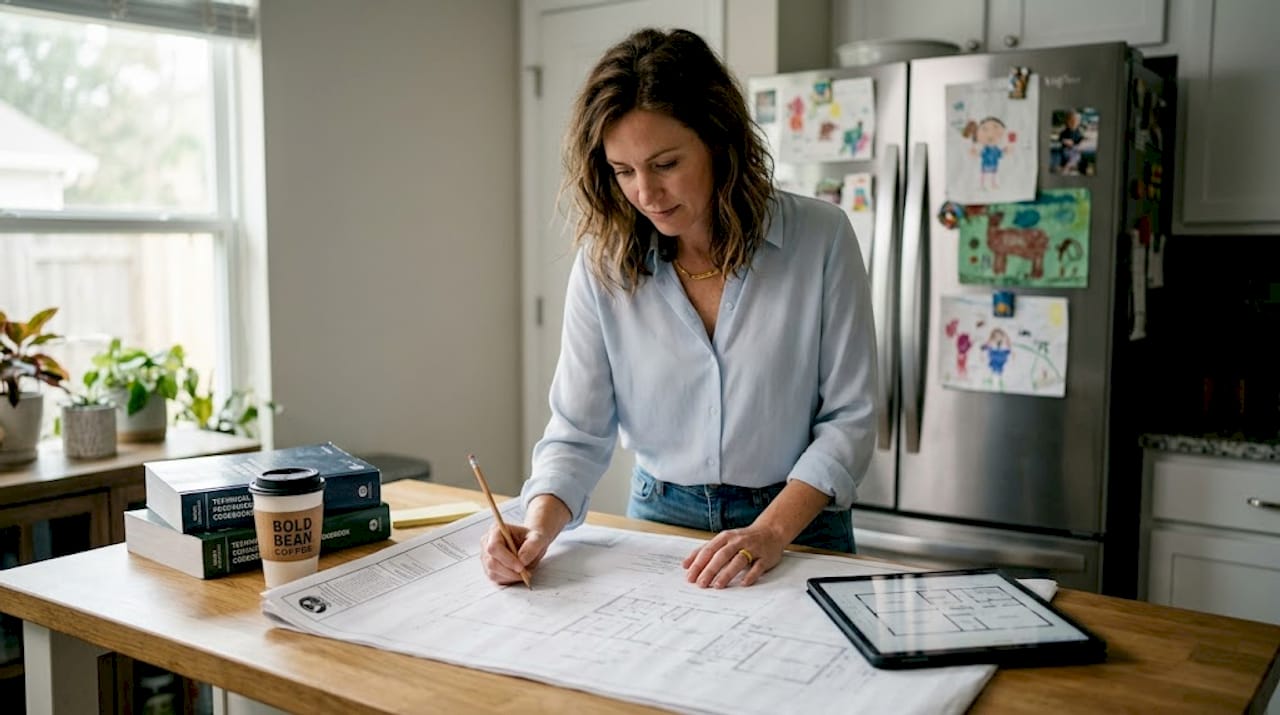
Ofir Engineering — a licensed Florida general contractor (CGC 1540016) based in Jacksonville — pairs real construction experience with investor-focused project management.
Planning a residential construction or renovation project in Jacksonville in 2026 means navigating a landscape that is more demanding, more regulated, and more technically sophisticated than it was just a few years ago. The 2026 FBC updates emphasize hurricane resilience, requiring higher wind speed ratings, impact-resistant windows and doors, enhanced roof-to-wall connections, and updated flood elevations. At the same time, homeowners and investors are pushing for energy efficiency, smart technology, and flexible living spaces that hold long-term value. This article walks through the essential planning steps every Jacksonville homeowner and real estate investor should know before breaking ground.
Table of Contents
- Know the updated building codes and hurricane standards
- Prioritize energy-efficient and sustainable innovations
- Plan for smart technology and future-ready layouts
- Choose the right team and coordinate for success
- Our take: What most homeowners overlook when planning construction in Jacksonville
- Plan your next project with confidence
- Frequently asked questions
Key Takeaways
| Point | Details |
|---|---|
| Meet 2026 code changes | New rules for wind, impact resistance, and flooding demand careful compliance in Jacksonville. |
| Invest in efficiency | Energy-saving features and sustainable materials add value and reduce long-term costs. |
| Plan smart layouts | Future-proof homes with adaptable layouts, smart wiring, and aging-in-place designs. |
| Build the right team | Choose experienced professionals who understand 2026 standards and trending innovations. |
Know the updated building codes and hurricane standards
With the broad landscape covered, let’s dive into the most urgent criteria: building resilience in the face of new codes.
The 2026 Florida Building Code (FBC) introduces some of the most significant structural requirements in recent memory for residential projects, particularly in coastal and near-coastal areas like much of Jacksonville. Hurricane-impact upgrades are now mandatory for coastal homes, and flood elevation requirements have been raised across multiple flood zones. Understanding exactly how these changes affect your specific parcel is the first step in any credible project plan.
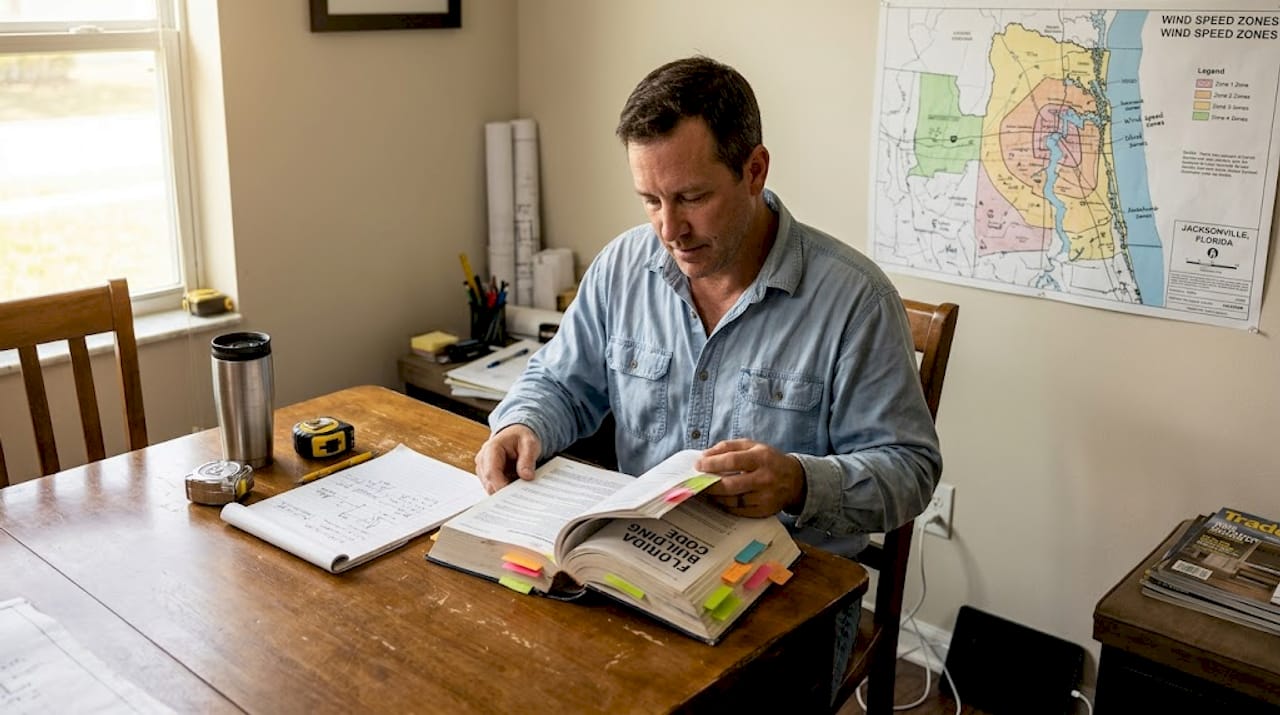
Wind speed maps have been updated to reflect ASCE 7 revisions, and many Jacksonville neighborhoods now fall within zones requiring designs rated for 160 to 185 mph wind events. This affects not just roofing and windows, but also the structural framing, anchor bolts, and connection hardware throughout the building. Meeting new wind standards is no longer optional or aspirational; it is a permitting requirement that will be verified during inspection.
| Requirement | Pre-2026 standard | 2026 FBC standard |
|---|---|---|
| Design wind speed (coastal) | Up to 150 mph | Up to 160-185 mph |
| Impact windows/doors | Recommended | Mandatory (coastal zones) |
| Roof-to-wall connections | Standard straps | Enhanced connectors required |
| Flood elevation | Base flood elevation | Increased freeboard requirements |
For new construction, these requirements are built into the design from day one. For retrofit projects, the path is more complex. Homeowners upgrading older homes must often bring the entire structure up to current standards when the scope of work exceeds a defined threshold, typically 50% of the structure’s assessed value. Consulting with a licensed engineer before finalizing your renovation scope can prevent costly surprises during permitting.
Key steps to prepare for permitting under 2026 FBC:
- Obtain a site-specific wind speed determination from your local building department
- Confirm your flood zone designation and required elevation with a licensed surveyor
- Specify impact-rated products with valid Florida Product Approval numbers
- Engage a structural engineer to review or design your roof-to-wall connection details
- Submit complete permit drawings that reference the applicable FBC 2026 sections
Pro Tip: Homes built with weather-ready steel frames often satisfy multiple 2026 FBC requirements more efficiently than wood frame alternatives, because cold-formed steel members do not warp, rot, or lose structural capacity under Florida’s humidity conditions.
For project teams managing multiple inspections and subcontractor schedules, reviewing project coordination best practices can reduce delays caused by missed inspection windows. Maintaining structural integrity after construction is equally important for long-term code compliance and insurance eligibility.
Prioritize energy-efficient and sustainable innovations
Once you have compliance with local codes in place, decision-making shifts to maximizing home quality and operational savings.
The 2026 residential market in Jacksonville is rewarding homes that go beyond minimum efficiency standards. Key innovations for 2026 include energy-efficient systems such as solar-ready designs, high-efficiency HVAC, and low-E impact windows, along with smart home wiring, biophilic and wellness design, flexible multipurpose rooms, and sustainable materials. Buyers and appraisers are increasingly factoring these features into valuations.
Solar-ready design is one of the highest-leverage decisions you can make at the planning stage. Pre-routing conduit, reinforcing roof structure for panel loads, and installing a solar-ready electrical panel adds relatively little cost during construction but can save thousands compared to retrofitting later. In Jacksonville’s high-sun climate, this is a straightforward investment.
| Feature | Upfront cost premium | Estimated lifetime savings | Resale value impact |
|---|---|---|---|
| Solar-ready design | Low | High (15-25 years) | Positive |
| High-efficiency HVAC | Moderate | High (energy bills) | Positive |
| Low-E/impact windows | Moderate to high | Moderate (cooling costs) | Positive |
| Sustainable materials | Variable | Moderate (maintenance) | Neutral to positive |
Choosing sustainable building practices from the outset also reduces long-term maintenance costs and positions the property well for future regulatory requirements, which are trending toward stricter energy standards. Locally sourced materials, when available, reduce transportation costs and support regional supply chains.
Additional energy-saving strategies worth integrating at the planning stage:
- Specify continuous exterior insulation to minimize thermal bridging in steel or wood frame walls
- Plan for a whole-house energy recovery ventilator (ERV) to maintain indoor air quality without sacrificing efficiency
- Select roofing materials with high solar reflectance to reduce cooling loads
- Design overhangs and shading elements to limit direct solar gain on west-facing windows
Pro Tip: Review better insulation strategies specific to Florida’s climate before finalizing your wall assembly. Steel frame homes in particular require careful thermal break detailing that differs from wood frame construction. Understanding trends in green construction also helps investors align renovation decisions with buyer expectations.
Plan for smart technology and future-ready layouts
Beyond materials and sustainability, the next dimension is wiring your home for changing technology and lifestyle demands.
Smart home wiring, flexible multipurpose rooms, and aging-in-place features are among the most watched trends by residential designers and architects in 2026. The decisions made during framing and rough-in stages determine how easily a home can adapt to new technology over its lifespan, and retrofitting structured wiring or adding conduit after drywall is both expensive and disruptive.
Structured wiring goes well beyond a simple internet connection. A future-ready home in Jacksonville should plan for fiber-optic backbone cabling, distributed audio and video, whole-home security with camera conduit runs, and dedicated circuits for electric vehicle (EV) charging in the garage. These are not luxury features; they are rapidly becoming baseline expectations for buyers and renters in the Jacksonville market.
Flexible room layouts are equally important. A room designed today as a home office may need to function as a guest suite, a wellness space, or an aging-in-place bedroom within ten to fifteen years. Planning for wider doorways (minimum 36 inches), reinforced bathroom walls for future grab bar installation, and first-floor bedroom options adds minimal cost during construction but significant value over time.
Essential smart technology items to pre-plan during construction:
- Structured wiring panel with dedicated home network infrastructure
- Conduit runs to all exterior camera mounting locations
- Pre-wired locations for smart thermostat, lighting controls, and motorized shades
- Dedicated 240V circuit and conduit for EV charging in the garage
- Fiber-ready entry point from the street to the main electrical panel area
Sequencing technology installations correctly:
- Finalize technology and automation plan before framing begins
- Install all conduit and low-voltage rough-in during framing stage
- Coordinate with mechanical and electrical contractors to avoid conflicts
- Complete structured wiring panel installation before insulation and drywall
- Test all runs before closing walls, and document outlet and conduit locations
Exploring smart home wiring trends during the design phase ensures you are not paying premium retrofit costs later. Reviewing interior customization ideas can also help you visualize how flexible layouts translate into livable, appealing spaces. When designing flexible layouts, working with an experienced team from day one prevents costly structural changes mid-project.
Choose the right team and coordinate for success
Even the best plan needs the right team. Here is how to assemble yours and keep the project on track.
The quality of your construction team directly determines whether your project delivers on its planning promise. Well-chosen teams that understand 2026 FBC standards and cutting-edge innovations are vital for a smooth process. Vetting your builder’s specific experience with the current code cycle is not optional; it is the foundation of risk management.
How to evaluate and select your project team:
- Verify the contractor’s active Florida license and confirm no disciplinary actions on the DBPR database
- Ask specifically about projects completed under the 2026 FBC or recent code cycles
- Request references from projects with similar scope, including hurricane-rated construction or energy-efficient builds
- Confirm the architect or designer has experience with current ASCE 7 wind zone requirements
- Evaluate the supplier relationships the contractor maintains for impact-rated windows, doors, and roofing
Coordination schedules are equally critical. Missed inspection windows, late material deliveries, and poor subcontractor sequencing are among the most common causes of budget overruns and project delays in Jacksonville residential construction. Establishing a shared project schedule with clear milestones, inspection hold points, and material lead times at the start of the project is a non-negotiable practice for quality outcomes.
“The difference between a project that finishes on time and one that drags on for months is almost always traceable to communication failures in the first two weeks of planning, not the last two weeks of construction.”
Red flags to watch for when evaluating contractors include vague answers about permitting timelines, reluctance to provide written subcontractor lists, and pricing that does not itemize material specifications. Negotiating clear scope-of-work documents and change order procedures before signing any contract protects both parties and keeps quality expectations aligned throughout the project.
Our take: What most homeowners overlook when planning construction in Jacksonville
With the fundamentals covered, here is a reality check based on what actually works in Jacksonville construction.
Meeting code minimums is not the same as building a resilient, high-value home. The 2026 FBC sets a floor, not a ceiling. In our experience across more than 15 years of Jacksonville residential projects, the homes that appreciate most consistently are those where the owner and contractor made deliberate decisions to exceed minimum requirements in targeted areas: stronger connections, better insulation, more adaptable layouts.
The most overlooked factor is flexibility. Homeowners often optimize for today’s needs and underestimate how quickly household dynamics change. A plan that locks in a rigid layout to save money during construction frequently costs far more to adapt five years later. Building in structural provisions for future additions, pre-running conduit for technology upgrades, and selecting durable finishes that age well are decisions that pay dividends without requiring a major budget increase.
Contractor communication is the other underestimated variable. Avoiding costly planning mistakes requires more than a good contract. It requires consistent, documented communication throughout every phase, from design review through final inspection. Teams that establish clear escalation paths for decisions and changes consistently deliver better outcomes than those that rely on informal agreements.
Plan your next project with confidence
If you want a team that turns these insights into reality, partner with local experts who know Jacksonville best.
Ofir Engineering brings over 15 years of licensed residential construction experience to every project in Jacksonville, with deep expertise in 2026 FBC compliance, Light Gauge Steel and Wood Frame systems, and energy-efficient design. Whether you are starting from the ground up or renovating an existing property, the team provides precision planning and meticulous execution at every stage.
Explore Jacksonville new construction options tailored to current code requirements, or learn how remodeling your home with Ofir Engineering ensures compliance and quality. For projects where structural performance is the priority, discover the advantages of light gauge steel frames built to Florida’s most demanding standards. Contact Ofir Engineering to schedule a consultation and start your 2026 project with a team that is fully prepared.
Frequently asked questions
What is the most important 2026 building code update for Jacksonville homeowners?
The most critical update is stricter hurricane protection, requiring impact-resistant windows and doors and enhanced roof-to-wall connections in coastal areas. These requirements affect both new construction and significant renovation projects.
How can I make my new home more sustainable in 2026?
Choose solar-ready designs, high-efficiency HVAC, and locally sourced eco-friendly materials to reduce operating costs and improve long-term resale appeal. Planning these features during design is far more cost-effective than retrofitting them later.
What smart home features should be included during planning?
Prioritize structured wiring for internet and security, and pre-run conduit for automation systems and electric vehicle charging. Installing these during rough-in is a fraction of the cost compared to adding them after construction.
How do I find the right builder for my 2026 Jacksonville project?
Ask about their specific experience with 2026 FBC requirements and sustainability features, and request references from comparable projects completed recently. Verifying their active Florida license through the DBPR database is a straightforward first step.
Recommended
- 8 Costly Mistakes to Avoid When Building a Light-Gauge Steel Home in Jacksonville – Ofir Engineering
- Home Remodeling Jacksonville FL | Ofir Engineering
- Service – Ofir Engineering
- 8 Creative Interior Ideas to Customize Steel Frame Homes in Jacksonville, FL – Ofir Engineering
- 7 Essential Custom Home Planning Tips for Luxury Builds
