
Full house remodeling resale value in Northeast Florida rarely works the way homeowners assume: no whole-house renovation returns every dollar at closing, and the scopes that recover the most are almost never the ones people are most excited to spend on. Across the Jacksonville market the pattern is consistent — envelope, systems, and layout corrections hold their value because they remove a buyer’s objections, while deep personalisation returns the least because the next owner is paying for taste they did not choose. What follows is how to read the return honestly before you set a budget. Ofir Engineering is a licensed Florida general contractor (License #CGC 1540016) with 15+ years serving Jacksonville, Ponte Vedra, St. Johns, and Northeast Florida.
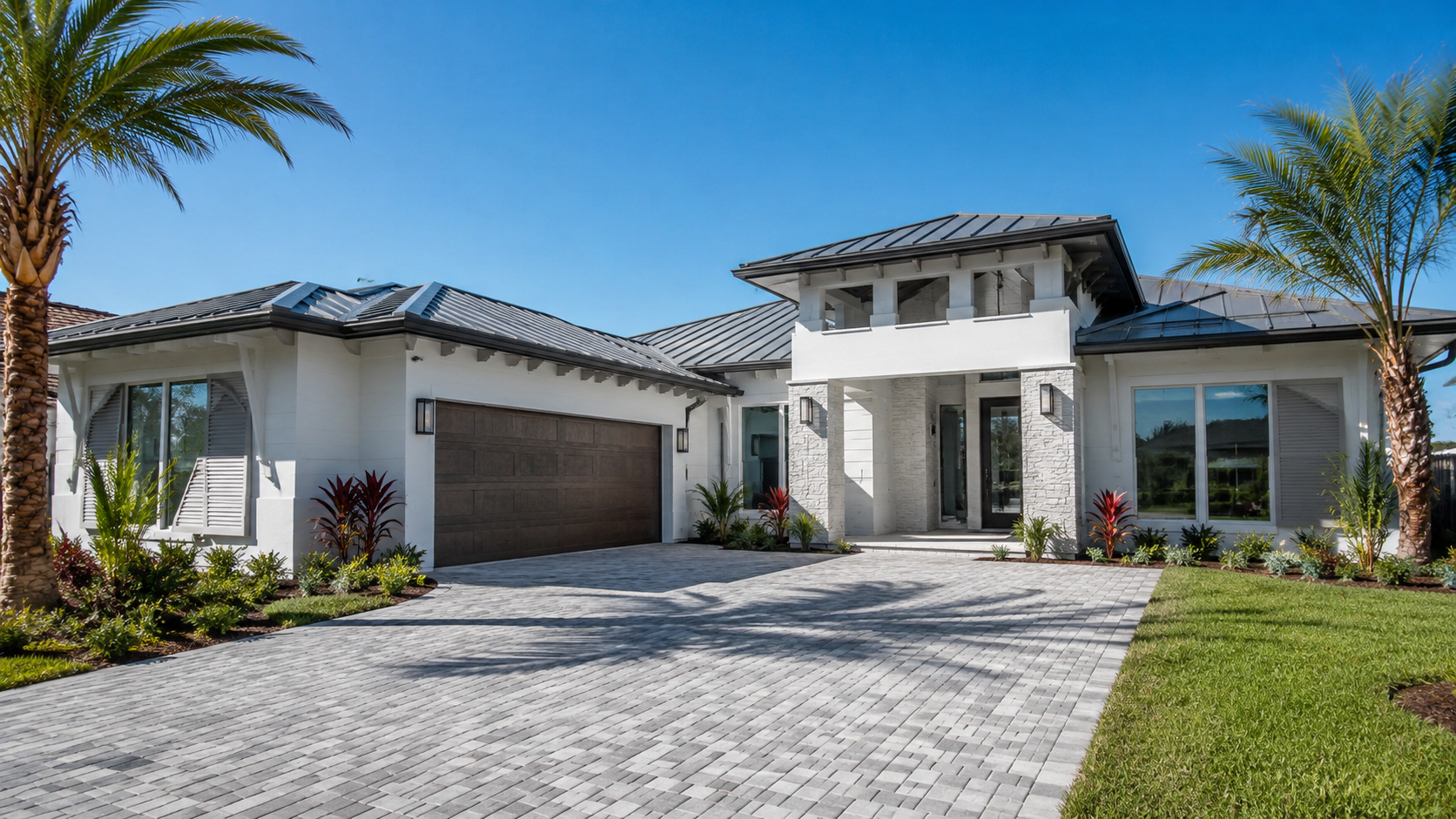
What Full House Remodeling Resale Value Actually Measures
There are two different numbers hiding behind the phrase, and confusing them is the most common mistake. The first is cost recovery: what share of the money you spent shows up in the sale price. The second is marketability: whether the house sells at all, how quickly, and whether it survives inspection and appraisal without a price renegotiation.
Cost recovery on a whole-house scope is almost never one hundred percent. Industry cost-versus-value research has shown the same shape for years — mid-range, broadly appealing work recovers a majority of its cost, high-end and highly specific work recovers considerably less, and the gap widens as the spend rises. Marketability, though, is where the real money sits in Northeast Florida. A house with a twenty-year-old roof, an original electrical panel, and a failing air handler does not just sell for less; it draws a narrower pool of buyers, and every one of them prices in the risk.
The practical consequence is that the first tranche of a remodel budget behaves completely differently from the last. Money spent removing defects behaves like recovered value. Money spent past the point where the house is sound behaves like consumption — enjoyable, legitimate, but not an investment.
The Scopes That Hold Their Value Here
Roof and envelope. In this climate a roof is not a cosmetic item, it is an insurability item. Carriers in Florida underwrite on roof age and condition, and a buyer who cannot bind coverage cannot close. A roof replacement inside a whole-house scope frequently pays for itself twice — once in the sale price and once in the offers you do not lose.
Windows, doors, and openings. Impact-rated openings do three jobs simultaneously: they satisfy code where the work triggers it, they earn wind-mitigation credits that lower the next owner’s premium, and they read as quality to a buyer walking through. Few line items work that hard.
Mechanical, electrical, and plumbing. Buyers do not get excited about a new panel or a re-pipe, but their inspector does, and their lender’s appraiser does. Systems work is defensive value — it prevents the deduction rather than creating the premium.
Layout corrections. Opening a compartmentalised 1960s–1990s floor plan, adding a genuine primary suite, or converting dead square footage into usable conditioned space changes what the house competes against. This is the one interior scope that can move a home into a higher price bracket rather than just up within its own.
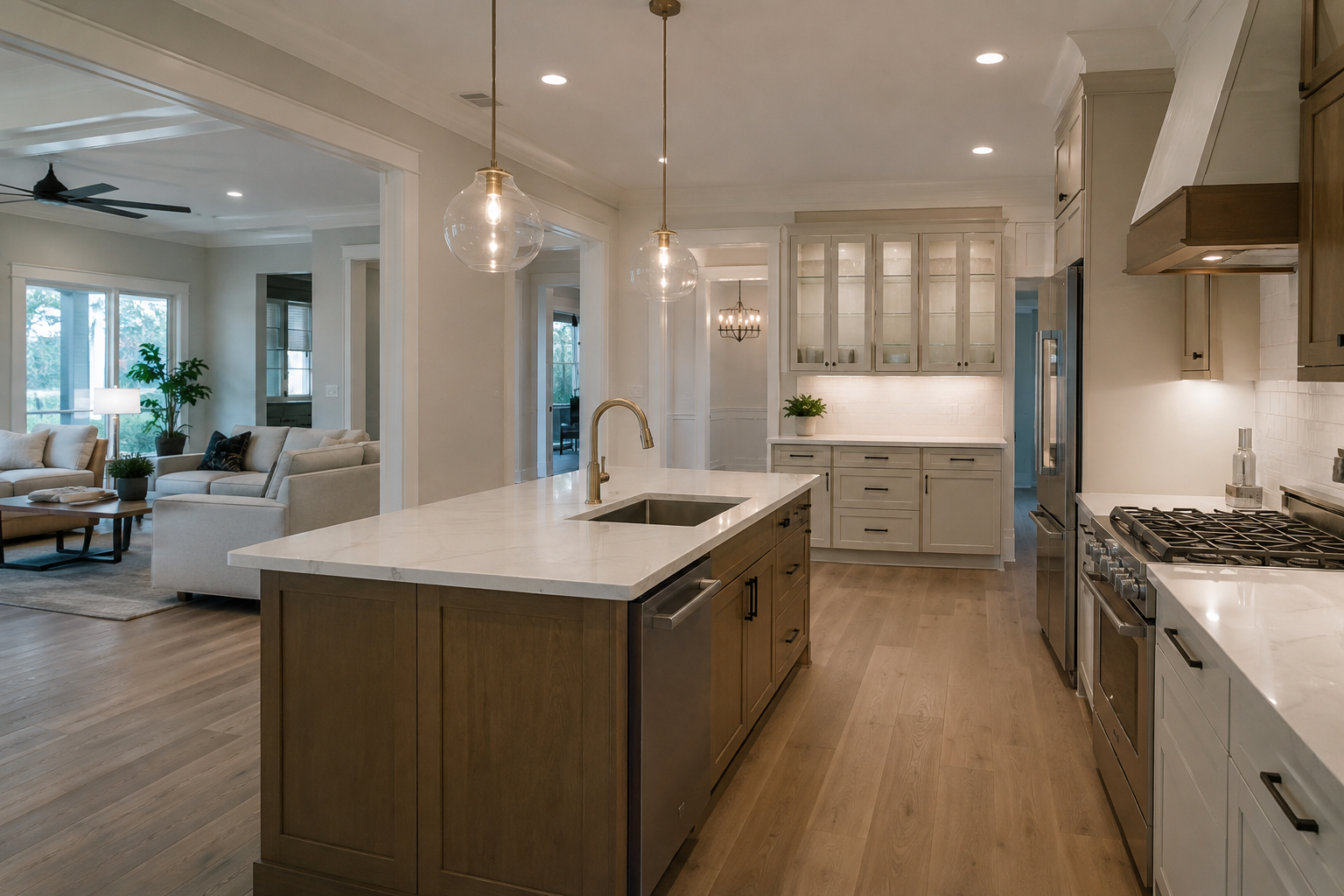
What Buyers in Jacksonville Actually Pay For
Local buyer behaviour is specific enough to plan around. Northeast Florida buyers price insurability first — roof age, opening protection, and flood exposure come up in the first conversation, not the last. They price the primary suite second: a house with a genuine primary bedroom and bath at the right end of the plan competes differently from one without. They price outdoor living third, because the shoulder seasons here are long, and a properly built covered lanai gets used ten months a year.
What they do not pay a premium for is a finish level that is out of step with the street. A remodel finished two brackets above its neighbourhood does not get appraised into that bracket, because the comparable sales the appraiser is required to use come from the same area. That ceiling is real and it is worth knowing before design, not after.
Where Remodeling Money Disappears
Three categories reliably return the least. The first is deep personalisation — bespoke built-ins, unusual colour and material commitments, a single-purpose room designed around a hobby. The second is over-improvement past the neighbourhood ceiling described above. The third, and the most avoidable, is unpermitted work. Square footage that was added or converted without permits often cannot be counted by the appraiser, may not be insurable, and becomes a disclosure problem and a renegotiation lever at sale. It is the only category on this list that can return less than zero.
Change orders belong in the same conversation. A whole-house scope opens walls, and walls hide surprises. A contingency that is planned for is a budget line; the same money spent unplanned is usually taken out of the scopes that were going to hold their value.
How to Plan a Whole-House Remodel for Resale
Sequence the budget by defect, then function, then finish. Start with everything an inspector or a carrier would flag, because that is the money that behaves like value. Move next to the layout and systems changes that alter how the house lives. Spend on finish last, at a level calibrated to the street rather than to a magazine.
Ask your contractor for the scope split in writing — what portion is repair-and-replace, what portion is reconfiguration, what portion is discretionary finish. That single document tells you more about the return than any percentage table. If you are weighing whether to expand instead of reconfigure, compare the numbers against a home addition, and if the existing structure is fighting you at every turn, price it honestly against new construction before committing. Market-level guidance on what buyers value is published by the National Association of REALTORS® and is worth reading alongside a builder’s estimate.
Timeline matters too. A remodel finished immediately before listing captures the most value because nothing has aged; the same work seven years before a sale has already given back part of its premium. If you want the scope for your own house mapped against what the local market will actually return, see our whole home remodeling programme or contact Ofir Engineering for a pre-construction review. Homeowners planning the schedule around a sale date should also read our guide to the whole-house remodeling schedule and its milestones.
Frequently Asked Questions
Does a full house remodel increase home value more than it costs?
Usually not dollar for dollar. Mid-range, broadly appealing work recovers a majority of its cost; high-end and highly personalised work recovers considerably less. The reliable gain is marketability — a sound, insurable, well-laid-out house draws more buyers and survives inspection and appraisal without a price cut.
Which remodeling scopes hold their value best in Northeast Florida?
Roof and envelope work, impact-rated windows and doors, mechanical and electrical updates, and layout corrections that create a genuine primary suite or usable conditioned space. These remove buyer objections and support insurability, which is what drives price in this market.
Can a remodel be worth more than the neighbourhood supports?
You can spend it, but an appraiser cannot count it. Comparable sales come from the same area, so a house finished two price brackets above its street will not appraise into that bracket. Calibrate the finish level to the neighbourhood before design.
Does unpermitted work affect resale value?
Significantly, and negatively. Unpermitted square footage often cannot be counted by the appraiser, may create an insurance problem, and becomes a disclosure item and a renegotiation lever at closing. It is the one category of remodeling spend that can return less than nothing.
Keep Building With Ofir Engineering
Related discussions & follow us: Facebook · Reddit
Latest & related guides: Explore more Whole Home Remodeling guides →
