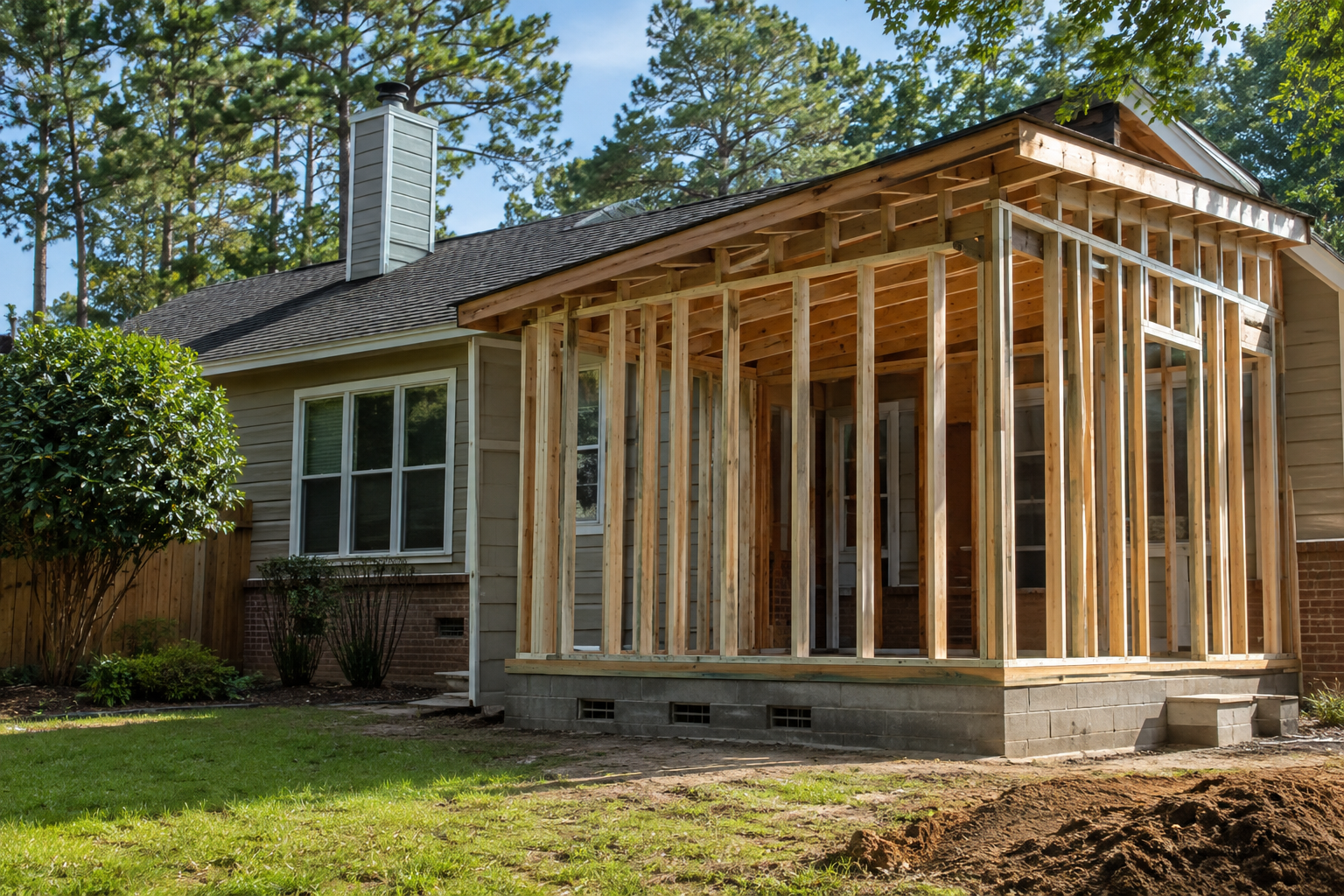
In Jacksonville, new construction is currently a stronger investment option in many cases because prices are close to those of existing homes and builders are offering aggressive incentives. Existing homes still have an advantage in premier, established locations where land availability limits new development.
The better choice depends on more than the purchase price. Maintenance costs, insurance, financing, energy efficiency, renovation potential, HOA rules, and expected appreciation can all affect your returns.
This guide compares new construction homes in Jacksonville with existing properties across these factors, helping you understand where each option fits within different investment strategies, budgets, and timelines.
How New Construction Homes in Jacksonville Compare on True Total Cost
New construction homes in Jacksonville often carry a higher upfront price per square foot than comparable existing homes, but the full cost picture looks different once you factor in near-term maintenance and system replacement. Older homes frequently need roof, HVAC, or plumbing updates within the first few years of ownership, expenses that rarely show up in the initial purchase price comparison.
- New builds typically include manufacturer warranties on major systems and appliances.
- Existing homes may require immediate repairs that eat into your renovation or furnishing budget.
- Financing terms can differ significantly between new construction loans and traditional mortgages.
Our team’s experience in new construction gives buyers a clearer sense of how these upfront and long-term costs actually compare once every factor is on the table, not just the sale price, especially when the comparison includes financing terms and expected maintenance timelines several years down the road.
New Construction vs. Existing Homes in Jacksonville on Appreciation Potential
New construction vs. existing homes in Jacksonville is not just a cost question; it is also a question of where value is likely to grow fastest over the next five to ten years. Newer developments in growth corridors tend to appreciate quickly as surrounding infrastructure and amenities mature, while established neighborhoods offer a more predictable, historically proven appreciation pattern.
What Drives Appreciation in Newer Developments
- Proximity to planned infrastructure projects, such as new schools or road expansions
- Limited initial inventory that tightens as a development fills in
- Builder-driven price increases across phases of a single community
What Drives Appreciation in Established Neighborhoods
- Long track record of price growth that reduces uncertainty.
- Mature landscaping, tree canopy, and neighborhood character that buyers pay a premium for.
- Proximity to established schools, retail, and employment centers.
Buying New Construction Homes in Jacksonville, FL, and Understanding Builder Contracts
Buying new construction homes in Jacksonville, FL, involves a different negotiation process than a resale purchase, and buyers who assume the process works the same way tend to miss important details in the builder contract.
- Builder contracts frequently limit your ability to negotiate on price but may allow negotiation on upgrades or closing cost credits.
- Completion timelines in new construction contracts are typically estimates and not guarantees.
- Change orders during construction can affect both your final price and your move-in date.
Reviewing a builder’s standard contract carefully and asking specific questions about what happens if the timeline slips protects you from assumptions that do not hold up once construction begins.
It is also important to find out how the builder manages changes to specified materials if a specific product becomes unavailable during construction, since this is a common source of disagreement late in a project.
How Community Amenities and HOA Structures Differ From Established Neighborhoods
Buying new construction homes in Jacksonville, FL, frequently means buying into a planned community with its own homeowners association, amenity package, and governing rules, which is a very different experience than purchasing in an established neighborhood with a long-standing HOA or none at all.
- New communities often include amenities such as pools, walking trails, or clubhouses built into the purchase price through HOA dues.
- HOA rules in newer developments can be more restrictive around exterior modifications and landscaping choices.
- Established neighborhoods may have looser HOA structures, or none, giving owners more flexibility for future renovations.
Understanding these rules before you buy matters just as much for investors, since restrictive HOA covenants can limit certain rental strategies or exterior updates you might otherwise plan to make. Reading through the HOA’s governing documents in full, rather than skimming a summary, is worth the extra time before you sign a purchase agreement.
Why Energy Efficiency Gives New Homes an Edge on Long-Term Ownership Costs
One of the most overlooked advantages of new construction homes in Jacksonville is the baseline energy efficiency built into current codes and standard practices, something older homes were simply not designed around.
- Modern insulation, window glazing, and HVAC systems reduce monthly utility costs.
- Builders increasingly offer Energy Star certified options that exceed minimum code requirements.
- Lower utility costs improve your monthly cash flow if the property is a rental.
Florida’s utility costs can add up quickly in an older, less efficient home, which makes this a meaningful factor for both owner-occupants and investors comparing long-term holding costs.
Newly Built Homes in Jacksonville, Florida, and the Question of Lot Availability
Newly built homes in Jacksonville, Florida, are increasingly concentrated in outlying growth corridors rather than established urban neighborhoods, simply because available land for new development has become harder to find closer to the core of the city.
- Johns County and outer Duval County continue to see the most new residential development.
- Infill new construction within established neighborhoods exists but commands a price premium for the location.
- Commute times and proximity to employment centers should factor heavily into your lot selection.
This tradeoff between location and price is one of the clearest differences between choosing new construction and pursuing an existing home closer to the urban core.
How Renovation Potential Changes the Calculus for Existing Homes
Existing homes carry one advantage that new construction cannot offer, and it is a significant one for the right buyer. An older home in a desirable location gives you room to renovate strategically and build equity through improvements rather than simply waiting for market appreciation.
- Kitchen and bathroom updates in older homes can produce strong returns when done well, a pattern we cover in our kitchen remodel ROI guide.
- Structural bones in older homes are often solid even when finishes are dated.
- Buyers comfortable managing a renovation project can capture value that a move-in-ready new build does not offer.
Choosing between the two paths comes down to whether you would rather pay for finished quality upfront or take on renovation work to unlock a better location or price point.
Many buyers find this decision easier once they map out how much time and money they are realistically willing to spend managing a renovation timeline versus moving into a completed home on day one.
Jacksonville Real Estate Investment Opportunities in Both New and Existing Markets
Jacksonville real estate investment opportunities exist on both sides of this comparison, and the right choice depends heavily on your investment strategy and timeline.
Investors chasing immediate cash flow tend to lean toward existing rental properties, while those building for long-term appreciation sometimes prefer new construction in emerging corridors.
Neither approach is inherently superior, and many experienced investors in this market end up holding a mix of both property types across their portfolio.
| Investment Factor | New Construction | Existing Homes |
| Upfront maintenance costs | Lower; systems are new | Higher, may need immediate repairs |
| Renovation upside potential | Limited; finishes are current | Higher, especially in dated properties |
| Location flexibility | Concentrated in growth corridors | Available across established neighborhoods |
| Rental appeal to tenants | Strong, modern finishes and efficiency | Varies based on condition and updates |
| Financing complexity | Construction loan draw schedules | Standard mortgage process |
Knowing which upgrades can increase resale value helps investors determine how much to allocate for renovations before committing to an existing property. Factors such as the kitchen, bathrooms, layout, and curb appeal can all influence how much value a renovation adds.
This comparison matters most for buyers who are still deciding between a move-in ready new build and a dated property with strong renovation upside, since the answer often depends on the specific neighborhood and buyer pool you expect to attract later.
What Insurance Underwriters Look for Differently in New Versus Existing Homes
Insurance underwriting treats new construction and existing homes differently in ways that affect your ongoing costs, and this distinction rarely gets enough attention in beginner comparisons.
- New homes built to current wind mitigation standards often qualify for lower premiums immediately.
- Older roofs, even those in good condition, can trigger higher premiums or coverage restrictions.
- Electrical and plumbing systems in older homes sometimes require updates before certain policies will issue full coverage.
Understanding this difference before you make an offer, rather than discovering it during underwriting, can materially change your monthly holding costs on either type of property.
Getting a preliminary insurance quote during your due diligence period, before you are locked into a contract, gives you a chance to renegotiate or walk away if the numbers change your calculations significantly.
Making the Decision Based on Your Timeline and Risk Tolerance
There is no universally correct answer between building new and buying an existing property in Jacksonville, since the right choice depends on your specific goals, timeline, and comfort with construction or renovation risk.
- Choose new construction if you want predictable near-term maintenance costs and modern efficiency.
- Choose an existing home if you want established neighborhood character and room to build equity through improvements.
- Consider your own capacity to manage either a construction timeline or a renovation project before deciding.
According to data tracked by the National Association of Home Builders, new home construction activity continues to respond closely to local land availability and buyer demand, both of which shape how these two paths compare in a specific market like Jacksonville.
Watching these broader trends alongside your own local research gives you a more complete picture than relying on either data source alone.
In Conclusion
New construction and existing properties in Jacksonville each offer real advantages depending on your goals, timeline, and appetite for renovation work.
Understanding the full cost picture, from insurance and energy efficiency to appreciation patterns and lot availability, puts you in a much stronger position to choose the path that fits your situation instead of following generic advice.
If you are weighing a new build, a renovation, or an investment property in Jacksonville, our team at Ofir Engineering is ready to walk through the numbers with you. Contact us today to talk through which path makes the most sense for your goals.
FAQs
Is it cheaper to buy new construction homes in Jacksonville or renovate an existing home?
It depends on the property and scope of work needed. Buying new construction homes in Jacksonville, FL, often costs more upfront but reduces near-term maintenance expenses compared to an older home needing repair.
What is driving the growth in newly built homes in Jacksonville, Florida?
Population growth, limited available land closer to the urban core, and steady buyer demand are driving newly built homes in Jacksonville, Florida, toward outlying growth corridors in St. Johns and outer Duval County.
Are new construction vs. existing homes in Jacksonville equally good investments?
Both can perform well, but new construction vs. existing homes in Jacksonville tend to suit different strategies, with new builds favoring efficiency and predictability while existing homes offer renovation upside.
What Jacksonville real estate investment opportunities should I consider as a first-time investor?
Jacksonville real estate investment opportunities range from turnkey new construction rentals to value-add renovation projects, so your choice should match your available capital and risk tolerance.
Do new construction homes in Jacksonville require less maintenance than older homes?
Generally, yes, since new systems and materials typically need fewer repairs in the first several years compared to an older home with aging mechanical systems.
