When it comes to fix flip renovation in Jacksonville, FL, working with a licensed general contractor makes the difference. A disciplined fix and flip renovation budget is the difference between a profitable Jacksonville flip and a money pit, because it ties your renovation scope to the after-repair value (ARV) while accounting for holding costs and a realistic contingency. Building that budget correctly before you buy is the most important step in the entire project. Ofir Engineering is a licensed Florida general contractor (License #CGC 1540016) serving Jacksonville, Ponte Vedra, St. Johns, and Northeast Florida.
Fix Flip Renovation: Start With ARV, Not With the Renovation
Every successful flip works backward from the after-repair value. The ARV is what the finished home will realistically sell for in its specific Jacksonville neighborhood, based on recent comparable sales. Your renovation budget, purchase price, holding costs, and target profit all have to fit inside that number. If the math only works when everything goes perfectly, the deal is too tight.
Once you know the ARV, you can determine how much renovation the property can support. Over-improving for the neighborhood is a classic mistake: installing luxury finishes in an area of mid-tier comps rarely returns the extra cost at sale. The goal is to match the renovation tier to the market.
Setting the Renovation Scope and Tier
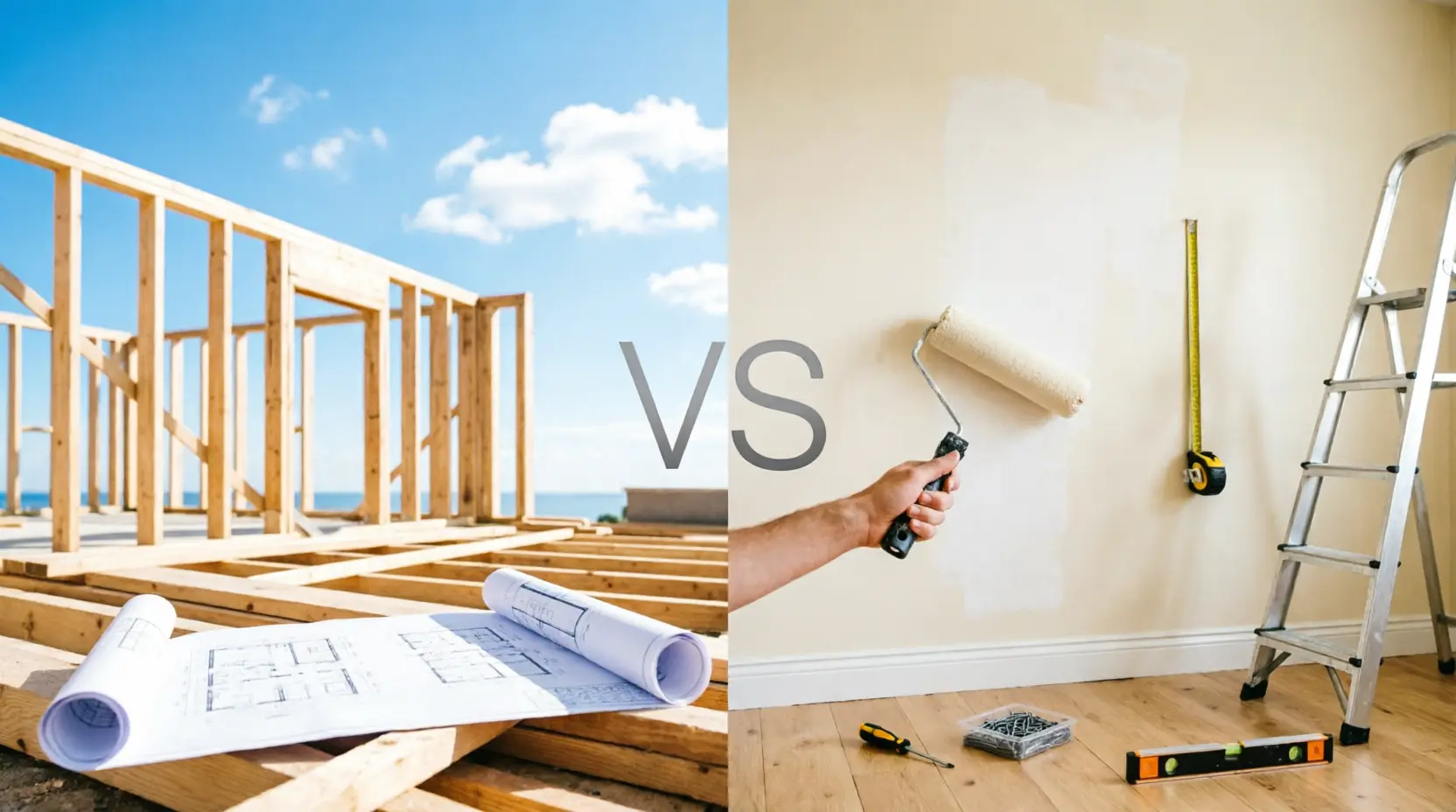
Renovation costs in Northeast Florida generally fall into tiers, and choosing the right one for your ARV keeps the budget honest. Cosmetic refreshes typically run around $50 to $100 per square foot, mid-level renovations around $100 to $175, and luxury-level work around $175 to $300 or more per square foot. A flip in a moderate-price neighborhood usually targets the cosmetic-to-mid range, while higher-end areas may justify a deeper renovation.
Scope should be driven by what actually moves the needle for buyers: kitchens, bathrooms, flooring, paint, curb appeal, and any deferred maintenance that would scare off a buyer or lender. Big-ticket systems, roof, HVAC, electrical, and plumbing, must be inspected up front, because discovering them mid-project is one of the fastest ways to blow a budget. A thorough home remodeling assessment before closing prevents nasty surprises.
Don’t Forget Holding Costs in Your Fix and Flip Renovation Budget
Holding costs are the silent profit killer. Every week the property is owned but not sold, you pay for financing interest, property taxes, insurance, utilities, and any loan points or fees. On a flip, time is literally money: every week of delay adds holding cost and eats directly into your margin.
This is exactly why schedule discipline matters as much as budget discipline. A renovation that drags on because of poor planning, slow material selections, or an unreliable contractor can erase the profit a tight purchase created. Building a realistic timeline, ordering materials early, and keeping trades sequenced correctly all protect your bottom line.
Build In Contingency and Avoid Overruns
No renovation budget survives contact with an old house without a contingency. A sensible contingency line, set aside before work begins, absorbs the inevitable surprises: hidden water damage, outdated wiring, or code-required upgrades uncovered once walls are opened. Permitting also matters, since work that requires permits in Duval or St. Johns County must be done correctly to avoid problems at resale.
The most reliable way to avoid overruns is a clear, detailed scope priced before you close, paired with disciplined project management that controls changes during the work. Investors who want a deeper framework on maximizing returns can also review our guide on renovating for maximum ROI, and those weighing turnkey options can study our turnkey investment property guide.
Frequently Asked Questions
How do I set a fix and flip renovation budget?
Start from the after-repair value (ARV) based on neighborhood comps, then work backward. Your purchase price, renovation cost, holding costs, and target profit all must fit inside the ARV. Match the renovation tier to what the neighborhood supports.
How much does a flip renovation cost per square foot in Jacksonville?
It depends on the tier. Cosmetic refreshes typically run around $50 to $100 per square foot, mid-level renovations around $100 to $175, and luxury work around $175 to $300 or more, depending on scope and finishes.
Why do holding costs matter so much on a flip?
Every week you own the property, you pay financing, taxes, insurance, and utilities. Those costs accrue whether the home is selling or not, so every week of delay adds holding cost and reduces profit. Schedule discipline protects your margin.
How do I avoid budget overruns on a flip?
Inspect major systems before closing, price a detailed scope up front, set aside a realistic contingency, order materials early, and control change orders during the work. Disciplined project management is the best defense against overruns.
Make Your Next Jacksonville Flip Pencil Out
A profitable flip is built on a realistic budget and a contractor who keeps the project on scope and on schedule. If you are planning a fix-and-flip in Jacksonville or Northeast Florida, contact Ofir Engineering to discuss your property, scope, and numbers. We will help you build a budget that protects your ROI from purchase to sale.
For local permitting and building codes, see the City of Jacksonville Planning & Development.
