
A build to rent builder schedule in Jacksonville is best understood as five stages rather than one number: entitlement and design, permitting and utilities, horizontal sitework, vertical construction, and closeout through certificate of occupancy. Investors usually ask how long the whole thing takes, but the more useful question is which milestone controls the critical path, because on most Northeast Florida BTR communities it is not the framing crew. Ofir Engineering is a licensed Florida general contractor (License #CGC 1540016) with 15+ years serving Jacksonville, Ponte Vedra, St. Johns, and Northeast Florida.
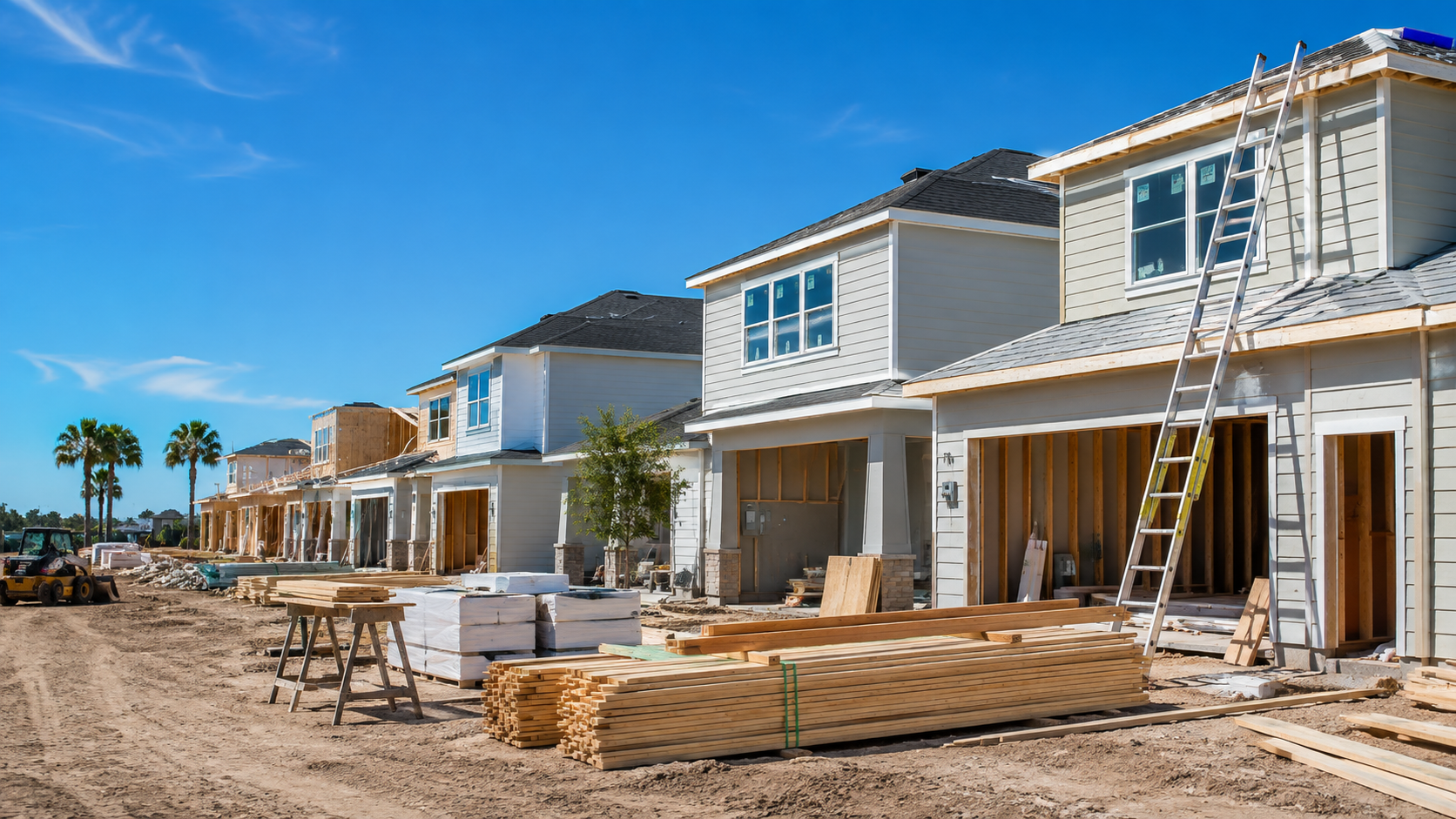
Why a Build to Rent Builder Schedule Works Differently
Build to rent communities are designed for one owner and many tenants, and that reshapes the schedule. Unlike a for-sale subdivision, where each home closes independently and cash flow arrives house by house, a BTR project usually targets phased delivery: a first block of units reaching certificate of occupancy while later blocks are still framing, so lease-up can start before the community is finished. The schedule is therefore engineered backward from a lease-up date and a lender’s stabilization covenant, not forward from a groundbreaking.
That has a second consequence. Because the homes are effectively identical and built in repeating sequence, a BTR schedule benefits enormously from production rhythm. Once a crew cycle is established – foundations moving down a street, framing following two weeks behind, trades stacked in fixed order – per-unit duration drops sharply compared to a one-off custom build. The risk shifts from execution to the front end: entitlement, permits and utilities.
Milestone One: Entitlement, Design and Feasibility
This stage confirms the land can do what your model assumes. Zoning and density verification, a survey, geotechnical borings, wetland and tree assessments, and a concurrency check on roads, water, sewer and schools. In parallel, the design team produces a site layout, unit plans and the civil engineering package.
Feasibility is the moment to be conservative. Soils in parts of Duval, Clay and Nassau counties require additional fill or ground improvement, and that cost and time is far cheaper to discover in a boring log than in a stop-work conversation. If the parcel needs a rezoning or a planned unit development amendment, add substantial time – public hearings run on a fixed calendar that no builder can compress.
Milestone Two: Permitting and Utility Approvals
This is where BTR schedules most often slip. Civil and site plan review, stormwater permitting through the water management district, JEA or the relevant utility’s capacity and service agreements, right-of-way and driveway connection permits, and then the building permits themselves. Each has its own comment cycle.
The lever a good build to rent builder pulls here is submittal quality. A coordinated, code-current package that clears review in one or two comment cycles will beat a rushed submittal filed weeks earlier that needs four. Pre-application meetings with the county, and early engagement with the utility on capacity, are the two highest-return activities in the entire schedule. Our guide to the Duval County permit process covers the review sequence in detail.
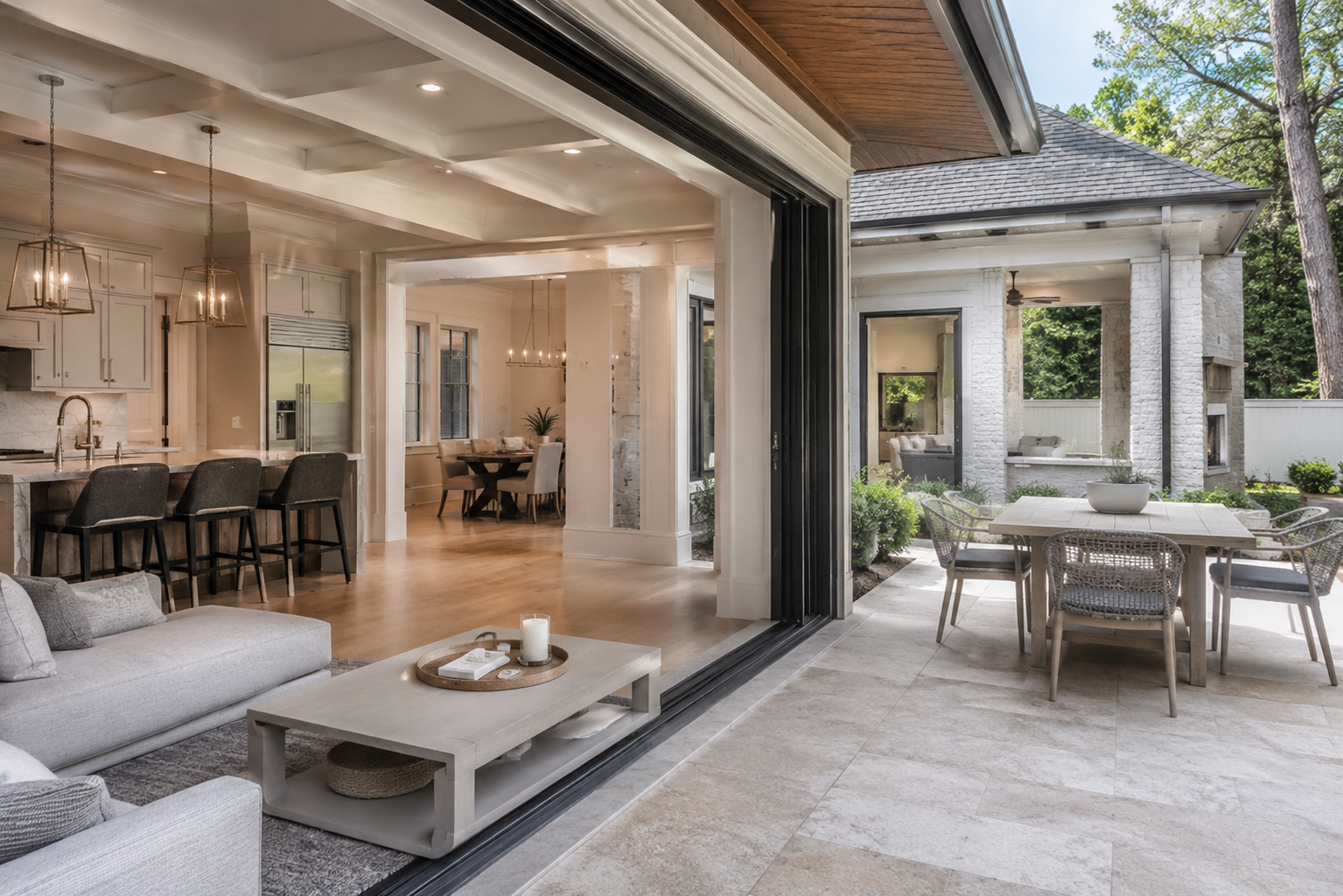
Milestone Three: Horizontal Sitework
Clearing, mass grading, stormwater ponds, underground utilities, and base and paving for the internal road network. Horizontal work is weather-exposed and is the stage most affected by Northeast Florida’s summer rain pattern and hurricane season, so a credible schedule carries genuine weather float here rather than a token allowance.
Sequencing matters: dry utilities and wet utilities have to be installed and inspected before roadway base goes down, and vertical construction cannot start on a block until that block has all-weather access and fire department turnaround. Builders who push vertical starts before the roads can carry a concrete truck usually pay for it twice.
Milestone Four: Vertical Construction
Foundations, framing, roof dry-in, exterior envelope, rough-in of mechanical, electrical and plumbing, insulation and drywall, interior finishes, and exterior flatwork and landscaping. On a BTR community these run as a rolling wave down the site rather than as one project-wide phase.
Two Florida-specific items sit on this path. Roof dry-in should be reached as early as possible in each unit to remove weather exposure, and window and door packages with the required impact or wind-load ratings are a classic long-lead item. Ordering those at permit submittal rather than at framing is one of the more reliable ways to protect the schedule. Long-lead electrical gear and HVAC equipment deserve the same treatment.
Milestone Five: Inspections, Certificate of Occupancy and Lease-Up
Each unit runs the full inspection sequence – footing, slab, framing, rough-in trades, insulation, and finals – and the community also needs its site improvements accepted and utilities formally turned over. Certificates of occupancy are typically issued per building or per block, which is exactly what makes phased lease-up possible.
Property management should be mobilized well before the first CO, because the gap between a finished unit and a paying tenant is pure carrying cost. Marketing, model unit preparation and leasing staff need lead time that the construction schedule should explicitly reserve. Our overview of build to rent construction for Jacksonville investors and our turnkey investment property guide cover the operating side.
What Actually Compresses the Schedule
Front-load the approvals. Start civil, utility and zoning work during design instead of after it. Standardize unit plans so review, procurement and crew training happen once. Procure long-lead items at permit submittal. Phase the site so the first block can reach CO while later blocks are still in progress. And build weather float into horizontal work honestly rather than hoping for a dry summer.
Ofir Engineering is a licensed Florida general contractor, License #CGC 1540016, and any contractor’s license can be verified through the Florida DBPR portal. Our commercial construction team schedules BTR communities alongside other income-producing projects; see also our commercial construction timeline for how these stages compare. To model a specific site, reach us through our contact page.
Frequently Asked Questions
Which milestone most often delays a build to rent project?
Permitting and utility approvals, not construction. Civil and stormwater review, utility capacity and service agreements, and building plan review each carry their own comment cycles, and they compound. Construction is comparatively predictable once approvals are in hand.
Can a build to rent community lease up before it is finished?
Yes, and that is the point of phasing. Certificates of occupancy are typically issued per building or block, so an early phase can be leased and generating revenue while later phases are still under construction. The schedule should be designed around that from the start.
How much weather float should a Jacksonville BTR schedule carry?
Enough to absorb a normal Northeast Florida wet season and at least one hurricane-related work stoppage. Horizontal sitework is the exposed stage; once units reach roof dry-in, weather risk drops sharply, which is why builders push for early dry-in.
Do repeating unit plans really shorten the schedule?
Substantially. Identical plans mean one plan review, one procurement package, and crews that repeat the same sequence street after street. Per-unit duration on later blocks is typically well below the first block for exactly this reason.
Keep Building With Ofir Engineering
Related discussions & follow us: Facebook · Reddit
Latest & related guides: Explore more Commercial Construction guides →