
Florida building permit requirements trip up more homeowners and investors than almost any part of a project. Here’s a clear 2026 overview of what needs a permit, how the process works statewide, and where local rules differ. Ofir Engineering is a licensed Florida general contractor (License #CGC 1540016) serving Jacksonville, St. Johns, and Northeast Florida.
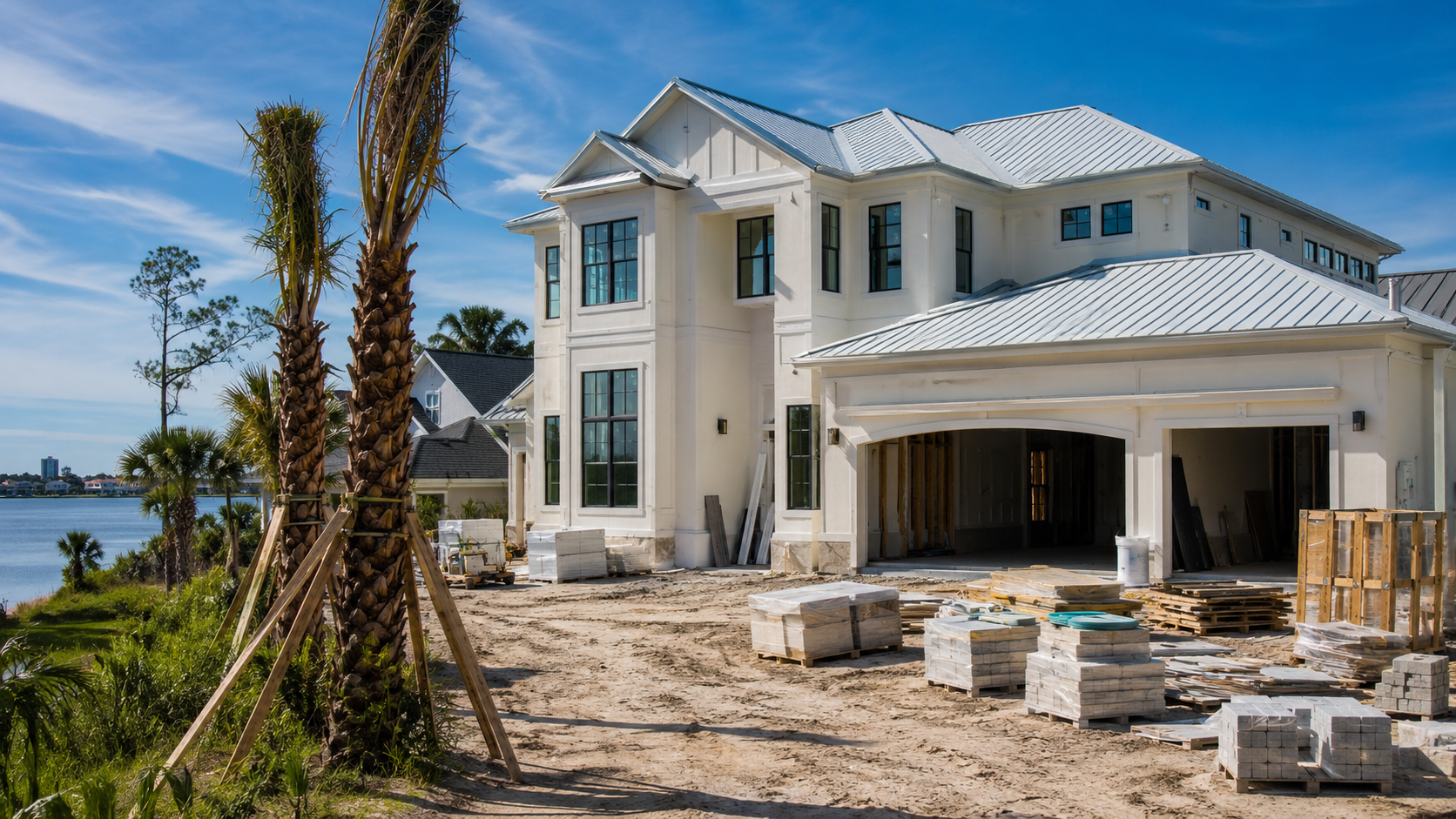
Building Permit Requirements: What Needs a Building Permit in Florida?
Florida’s permitting is governed by the statewide Florida Building Code, but it is issued and enforced locally by your city or county. As a rule, you need a permit for new construction, structural changes, home additions, electrical, plumbing and mechanical work, roofing, and most exterior alterations — whether the project is a house or a commercial build. Cosmetic work like painting or flooring usually does not.
Permit Requirements by Project Type
The permit package scales with the project. A small residential job — a re-roof or a water-heater swap — may need only a single trade permit and a short review. A new home or a home addition needs a full plan set: architectural, structural, and often civil and MEP drawings, plus energy-code calculations. Commercial projects add fire-marshal review, accessibility (ADA) compliance, and sometimes health-department or zoning approvals. Knowing which reviews your project triggers is half the battle, because a missing approval is the most common reason a permit stalls.
The Permit Application Process
The typical path is: prepare plans, submit the application to your local building department, pass plan review, pay fees, receive the permit, build with required inspections, and close out with a final inspection or certificate of occupancy. Working in Northeast Florida? See our detailed Duval County building permit process guide. Each jurisdiction — Jacksonville/Duval, St. Johns County, Clay, and Nassau — runs its own building department with its own submittal portal and review pace, so a project on one side of a county line can move faster or slower than an identical project on the other.
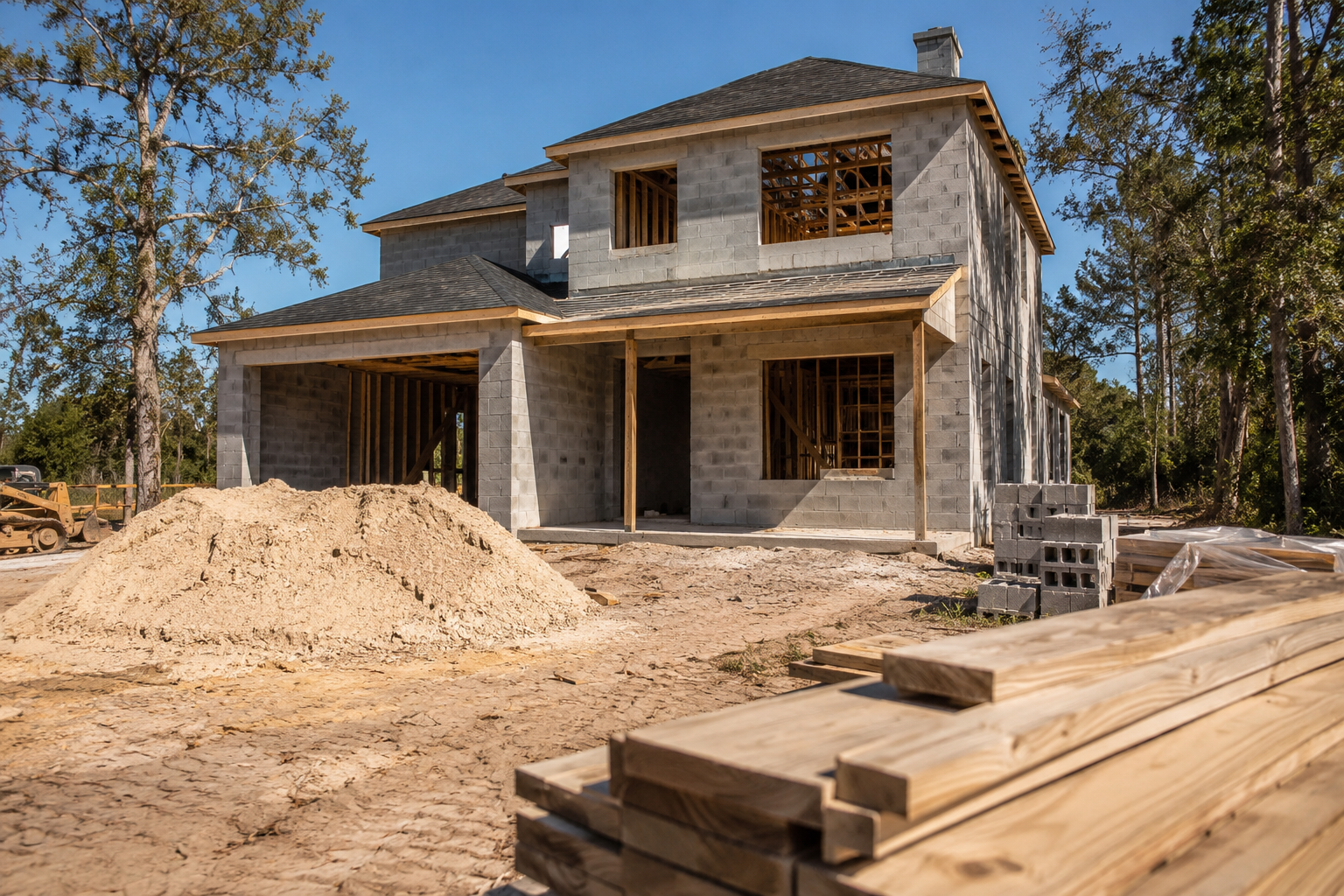
Why Permits Get Delayed — and How to Avoid It
Most permit delays are self-inflicted. The usual culprits are incomplete drawings, missing energy or structural calculations, plans that do not match the scope, and unanswered reviewer comments. Each correction cycle, where the reviewer sends the plans back for changes, can add days or weeks. The fix is to submit a complete, code-ready package the first time — which is exactly what an experienced contractor and design team deliver.
Permit Costs & Timelines
Permit fees in Florida are usually based on project valuation and run from under a hundred dollars for minor work to several thousand for new construction. Many jurisdictions also collect impact fees, plan-review fees, and other charges on larger projects. Timelines range from same-day over-the-counter permits for simple trade work to several weeks — occasionally longer — for plans that need full multi-discipline review. Building the permit timeline into your project schedule from the start keeps financing and move-in dates realistic.
The Real Cost of Building Without a Permit
Skipping a required permit is a false economy. Unpermitted work can trigger a stop-work order, doubled permit fees, fines, and an order to open finished walls for inspection — or even to tear the work out. It can block your certificate of occupancy, complicate a future sale because buyers and appraisers flag unpermitted additions, and jeopardize insurance claims tied to the work. Pulling the permit correctly the first time is almost always cheaper than fixing an unpermitted project later.
Who Pulls the Permit — You or the Contractor?
Florida allows a licensed contractor to pull permits on your behalf, and in most cases that is the right move. When a licensed general contractor pulls the permit, they carry responsibility for code compliance and inspections. Homeowners can pull their own permit for work on their primary residence in some cases, but they then take on that liability personally. For anything structural or complex, having the GC pull the permit keeps accountability where the expertise is.
Do I Need a Permit for a Shed, Fence, Deck, or Pool?
These common projects trip up homeowners. In most Florida jurisdictions a permit is required for a pool, a deck above a certain height, a larger accessory structure, and often a fence depending on height and location. Small utility sheds under a size threshold are sometimes exempt, but the threshold varies by county, and every structure must still meet setback and zoning rules. Because the answer depends on your specific jurisdiction and lot, confirming with the building department — or letting your contractor confirm — before you build avoids an expensive after-the-fact correction or a fine.
Why Work With a Licensed General Contractor
A licensed GC pulls the right permits, keeps the project to code, submits complete plans that clear review faster, and schedules inspections so you avoid stop-work orders and costly rework. A good contractor also knows the local reviewers and their expectations, which is often the difference between a two-week approval and a two-month one. Contact Ofir Engineering to keep your build compliant from day one.
For local permitting and building codes, see the City of Jacksonville Planning & Development.
