
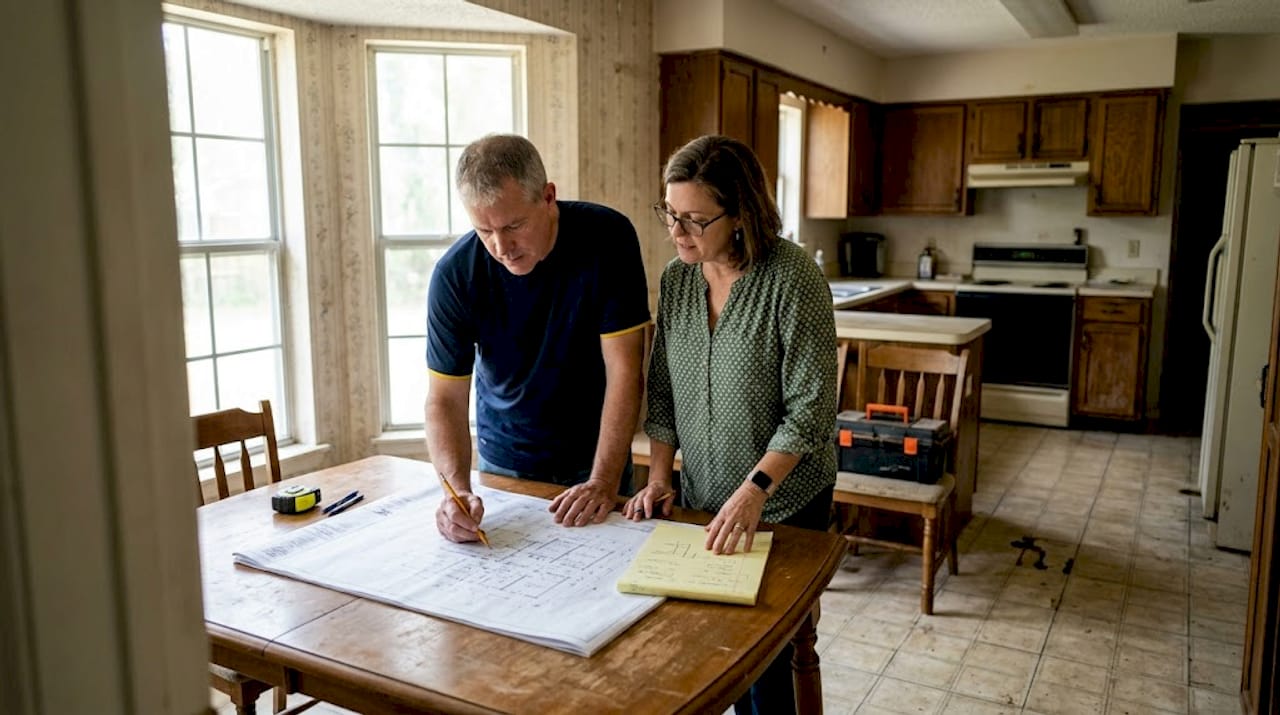
When it comes to renovating homes in Jacksonville, FL, working with a licensed general contractor makes all the difference.
Renovation projects in Jacksonville carry a reputation for turning straightforward upgrades into costly, drawn-out ordeals. Hidden structural issues, Florida’s demanding climate, and a permitting process that catches many homeowners off guard are among the most common culprits. Without a clear plan, even experienced property investors find themselves absorbing unexpected expenses and delays that erode both budget and confidence. This guide walks through a proven, sequential process built around Jacksonville’s specific conditions, covering goal-setting, task sequencing, material selection, and the critical decision of when to hire licensed professionals versus handling work yourself.
Table of Contents for Renovating Homes
- Assessing your renovation: Goals, scope, and requirements
- Essential planning: Sequencing tasks and avoiding pitfalls
- Selecting materials and systems for Jacksonville’s climate
- DIY vs professional renovation: Making the right call
- What most first-time renovators get wrong (and how to avoid it)
- Ready to renovate? Get expert help in Jacksonville
- Frequently asked questions
Key Takeaways
| Point | Details |
|---|---|
| Define clear goals | Set your renovation expectations and must-haves before starting to keep budgets and timelines realistic. |
| Sequence tasks smartly | Follow the optimal renovation order to avoid costly and time-consuming rework. |
| Pick the right materials | Choose humidity-resistant and durable systems suited for Jacksonville’s climate. |
| Know when to hire pros | DIY cosmetic updates are fine, but licensed professionals should handle structural, plumbing, and electrical work. |
Assessing your renovation: Goals, scope, and requirements
Every successful renovation begins with a clearly defined purpose. Are you increasing resale value, improving livability, or addressing deferred maintenance? Each goal drives a different scope of work and a different budget allocation. A property investor targeting a quick resale will prioritize kitchens and bathrooms, while a long-term homeowner may focus on structural integrity and energy efficiency. Defining the goal first prevents scope creep, which is one of the most common and expensive problems in residential renovation.
Once goals are established, evaluate the property’s age, systems, and layout. Homes built before 1980 in Jacksonville frequently contain outdated electrical panels, galvanized plumbing, and occasionally asbestos-containing materials in floor tiles or insulation. A thorough pre-renovation assessment of these systems is not optional. It determines whether you are dealing with a cosmetic refresh or a deeper structural and mechanical overhaul, and it directly affects your permit requirements.
Use the checklist below to confirm requirements before breaking ground:
| Requirement | Details |
|---|---|
| Building permit | Required for structural, electrical, plumbing, and HVAC work |
| Inspection schedule | Framing, rough-in, and final inspections are mandatory |
| Florida Building Code compliance | Applies to all permitted work statewide |
| Coastal material standards | Wind-rated windows, corrosion-resistant fasteners in coastal zones |
| HOA approval | Required in many Jacksonville communities before exterior changes |
With requirements mapped, build a prioritized list of project elements:
- Must-haves: Roof repairs, electrical upgrades, plumbing replacement, structural fixes
- High priority: Kitchen and bathroom updates, HVAC replacement, window upgrades
- Nice-to-haves: Landscaping, decorative finishes, smart home features
Budgeting accurately is the next critical step. Local cost considerations for remodeling show bathroom remodels in Jacksonville running $166 to $297 per square foot, driven by scope, material selection, and permit costs. Always build in a 10 to 20 percent contingency for surprises. Reviewing the full range of renovation services overview early helps align your scope with realistic local pricing.
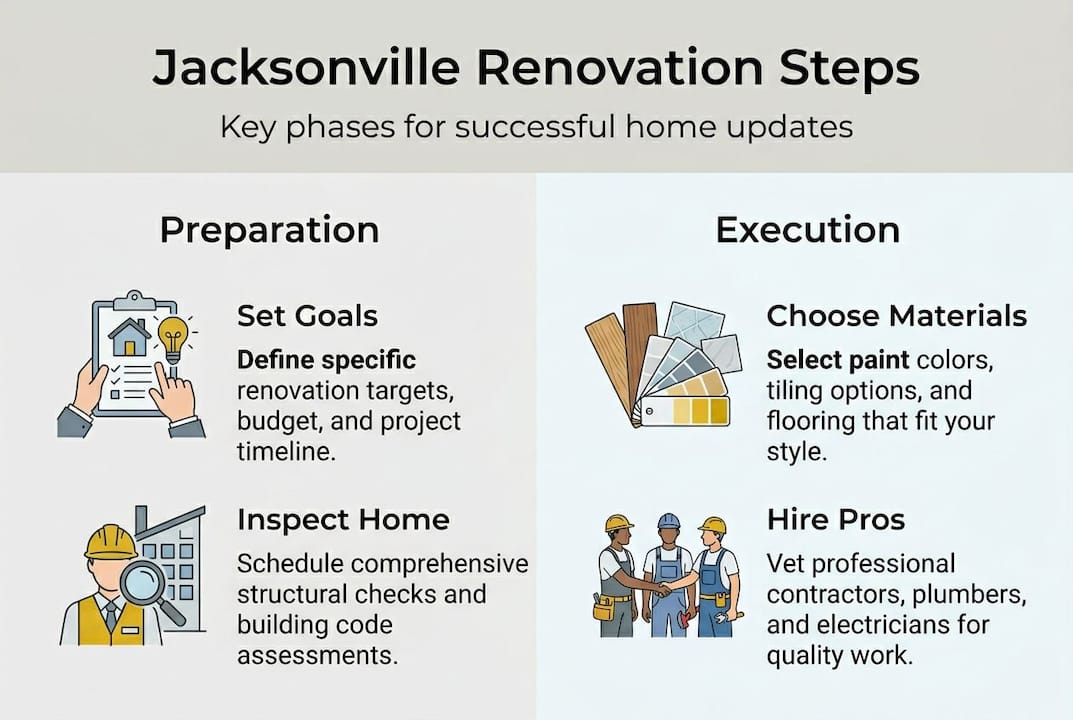
Essential planning: Sequencing tasks and avoiding pitfalls
With your goals and requirements mapped out, it is critical to plan the renovation process in the right order. Task sequencing is not a minor logistical detail. Poor sequencing causes 35 percent of budget overruns on residential renovation projects, making it one of the highest-impact decisions in the entire process.
The correct sequence for a full renovation follows this order:
- Planning and permitting — Finalize drawings, submit permits, and receive approvals before any physical work begins.
- Demolition — Remove existing finishes, fixtures, and any hazardous materials under proper containment protocols.
- Structural work — Address foundation issues, load-bearing modifications, and framing changes while walls are open.
- Mechanical rough-ins — Complete electrical, plumbing, and HVAC rough-in work before closing walls.
- Insulation and drywall — Install insulation and hang drywall only after all inspections on rough-in work are passed.
- Finish work — Apply paint, tile, cabinetry, and trim in the correct order to avoid damage to completed surfaces.
- Flooring — Install flooring last in each room to protect it from foot traffic and material drops during other trades.
| Scenario | Budget impact | Timeline impact |
|---|---|---|
| Correct sequence followed | Predictable costs | On schedule |
| Flooring installed before plumbing | Replacement costs added | 1 to 3 weeks added |
| Drywall closed before inspection | Rework required | 2 to 4 weeks added |
| Demolition without hazard check | Remediation costs | Significant delay |
Safety notice: Before any demolition or structural modification, inspect for load-bearing walls and test for asbestos or lead paint. Engaging a structural engineer for any wall removal is a non-negotiable step in older Jacksonville homes.
Pro Tip: Schedule your rough-in inspections the moment work is complete. Waiting even a few days delays the entire project, since drywall cannot go up until inspections are passed and approved.
Family logistics matter too. Establish a clear timeline with your contractor and identify which areas of the home will be inaccessible during each phase. Effective project management tools help track milestones, coordinate trades, and communicate progress so that disruptions to daily life are minimized.
Selecting materials and systems for Jacksonville’s climate
Once you have sequenced your tasks, select materials built to last in Jacksonville’s environment. The city sits in a high-humidity coastal zone where standard materials degrade faster than in drier climates. Coastal humidity can compromise standard finishes, cabinetry, and flooring within just a few years if the wrong products are specified.
Key climate vulnerabilities to address in your material selections:
- Flooring: Choose porcelain tile, luxury vinyl plank, or sealed concrete over hardwood in moisture-prone areas
- Cabinetry: Specify plywood boxes with moisture-resistant finishes rather than particleboard, which swells and delaminates
- Exterior paint: Use elastomeric or 100 percent acrylic formulas rated for high-humidity environments
- Fasteners and hardware: Specify stainless steel or hot-dipped galvanized fasteners to prevent rust staining and structural weakening
- Windows and doors: Install impact-rated units that meet Florida’s wind load requirements and provide a thermal barrier
- HVAC systems: Oversized systems cycle too quickly and fail to dehumidify properly; right-sizing is essential in Jacksonville’s climate
Older Jacksonville homes often have galvanized plumbing that has corroded internally, reducing water pressure and contaminating water quality. Replacing these lines during a renovation, while walls are already open, costs far less than a dedicated plumbing project later. The same logic applies to outdated electrical panels that cannot safely support modern appliance loads.
Pro Tip: Spend more per square foot in kitchens and bathrooms. These two spaces experience the highest moisture exposure and the most daily use, making durable material selection a direct investment in longevity and resale value.
For structural upgrades, light gauge steel framing offers significant advantages in Florida’s environment. Understanding steel homes in Florida weather reveals why steel does not rot, warp, or attract termites, making it a sound choice for additions or full rebuilds. Pairing structural upgrades with proper insulation strategies, as covered in insulation and energy savings tips, further reduces long-term operating costs.
DIY vs professional renovation: Making the right call
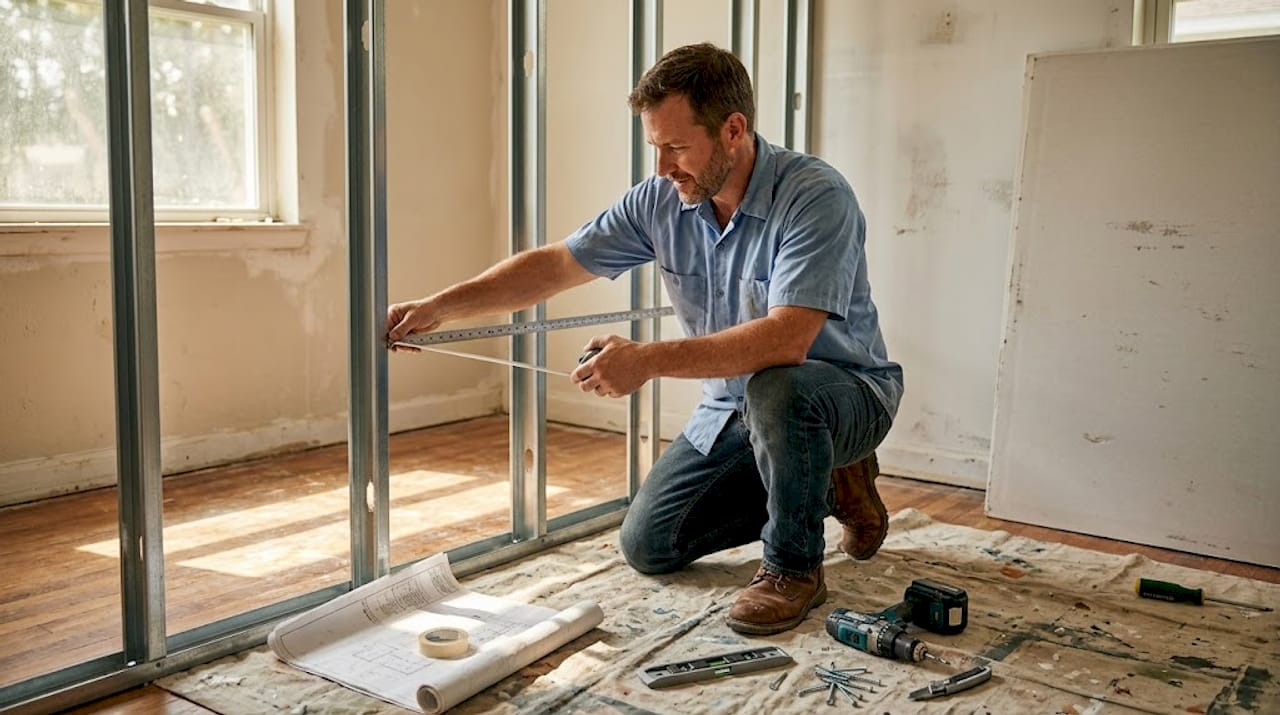
Selecting the right team, or knowing when you can handle work yourself, is vital for a safe, compliant, and successful renovation. The line between DIY-appropriate and professionally required work is clearer than many homeowners assume.
DIY-friendly tasks generally include painting interior walls, installing hardware and fixtures, laying peel-and-stick tile, basic landscaping, and assembling prefabricated cabinetry. These tasks carry low risk and require no permits in most jurisdictions.
The following tasks require licensed professionals in Jacksonville:
- Electrical work — Any new circuits, panel upgrades, or rewiring require a licensed electrician and a permit.
- Plumbing modifications — Moving or adding supply and drain lines requires a licensed plumber and inspection.
- Structural changes — Load-bearing wall removal, beam installation, and foundation work require engineering review and permits.
- HVAC installation — New systems and duct modifications require licensed HVAC contractors and mechanical permits.
- Roofing — Florida law requires licensed roofing contractors for most roof replacement work.
Permits are required for major structural, electrical, and plumbing work, and unpermitted work creates serious financial and legal exposure. When a property sells, unpermitted work can delay or kill the transaction, reduce appraised value, or require costly retroactive permitting and correction.
Pro Tip: When you are uncertain whether a task requires a permit or a licensed contractor, consult with a licensed contractor before starting. The cost of a brief consultation is negligible compared to the cost of rework or code violations.
What to expect from professional renovation services in Jacksonville:
- Licensed and insured contractors familiar with Florida Building Code requirements
- Permit application and inspection coordination handled on your behalf
- Documented warranties on labor and materials
- Accountability for schedule and budget through formal contracts
- Access to established trade networks for electrical, plumbing, and HVAC subcontractors
For complex projects, engaging local renovation professionals from the planning stage reduces errors and produces better outcomes than bringing in professionals mid-project to correct DIY mistakes.
What most first-time renovators get wrong (and how to avoid it)
After working through hundreds of residential projects in Jacksonville, a consistent pattern emerges among first-time renovators: they underestimate complexity and overestimate their own capacity to manage it. The renovation sequencing and material selection challenges described in this guide are not theoretical. They are the specific points where projects stall, budgets collapse, and relationships with contractors deteriorate.
Overconfidence in DIY capability is the single most expensive mistake. A homeowner who installs flooring before plumbing rough-ins are complete does not just lose the flooring. They lose the time, the contractor scheduling slot, and often the goodwill of the trades they need to return.
The projects that finish on time and on budget are almost never the ones where the owner tried to save money at every turn. They are the ones where the owner invested early in expert planning and stayed disciplined about the sequence.
The real competitive advantage in renovation is front-loaded investment in planning and professional consultation. Spending money on construction project management before a single wall is touched consistently produces better outcomes than spending the same money correcting avoidable errors mid-project. Quick wins feel satisfying, but smart sequencing and material decisions are what protect the investment over a 10 to 20 year horizon.
Pro Tip: Before any cosmetic work begins, inspect the foundation and electrical panel. These two systems, if compromised, will consume the entire renovation budget and leave nothing for the upgrades that motivated the project in the first place.
Ready to renovate? Get expert help in Jacksonville
If this guide has clarified the scope and complexity of what a well-executed renovation requires, the next step is connecting with a team that has the experience, licensing, and local knowledge to deliver it.
Ofir Engineering (license CHC1540016) brings over 15 years of residential construction experience to every project in Jacksonville. From initial consultation through final inspection, the team provides home remodeling experts who manage permitting, sequencing, and quality control so that nothing falls through the gaps. For properties requiring ground-up work, new construction solutions using Light Gauge Steel and Wood Frame systems are available. Review the full list of services to find the right fit for your renovation goals.
Frequently asked questions
What are the biggest renovation cost drivers in Jacksonville?
Scope, structural changes, materials, and labor are the primary cost drivers, with permits and humidity-resistant material upgrades adding meaningfully to the total budget in Jacksonville’s coastal environment.
Which renovation tasks should not be DIY?
Structural, electrical, and plumbing work must be handled by licensed professionals in Jacksonville to ensure code compliance, permit approval, and protection against safety and legal liability.
How does Jacksonville’s climate affect renovation material choices?
Jacksonville’s coastal humidity requires mold-resistant, rust-resistant, and moisture-tolerant materials, particularly for flooring, cabinetry, and exterior finishes, to prevent premature deterioration.
How much should I budget as a contingency?
Plan for a 10 to 20 percent contingency fund above your base budget to cover structural surprises, system replacements, or material cost fluctuations that are common in Jacksonville renovation projects.
Recommended
- Home Remodeling Jacksonville FL | Ofir Engineering
- 8 Costly Mistakes to Avoid When Building a Light-Gauge Steel Home in Jacksonville – Ofir Engineering
- Service – Ofir Engineering
- Projects – Ofir Engineering
Article generated by BabyLoveGrowth
For expert help with renovating homes in Jacksonville, FL, contact Ofir Engineering (licensed general contractor, CGC 1540016) at 904-689-2569.
