

A lot of Jacksonville property owners start in the same place. They look at a worn patio, patchy lawn, dated screen enclosure, or an empty rear lot line and see potential. Then the practical questions hit. Which backyard remodeling contractors can manage the job correctly, what needs a permit, what survives Florida weather, and which upgrades improve value instead of becoming expensive maintenance?
With Florida contractor license CGC 1540016 and deep local experience, Ofir Engineering serves Jacksonville, Ponte Vedra, and the surrounding Northeast Florida communities.That uncertainty matters because remodeling is a large, established industry. The U.S. remodeling industry was estimated at $175.4 billion in 2026 and was projected to grow at a 2.4% CAGR from 2021 to 2026, according to IBISWorld's U.S. remodeling industry overview. For homeowners and investors in Northeast Florida, that scale reflects how much money moves through renovation decisions every year, including outdoor living projects.
In Jacksonville, the gap between a good backyard project and a costly one usually comes down to planning, contractor vetting, and site-specific judgment. A pool deck, outdoor kitchen, pergola, paver terrace, drainage correction, or screened transition space can add real utility. It can also create permit headaches, standing water, rework, and resale problems if the scope is vague from day one. If you're still weighing enclosure options, it also helps to review the costs of converting a porch because partial indoor-outdoor projects often compete with open-air backyard upgrades for the same budget.
For owners thinking bigger than landscaping, outdoor living space design in Jacksonville usually works best when it's treated like a true construction project, not a decorative add-on.
Table of Contents
- Transforming Your Vision into a Plan
- Laying the Groundwork Your Project Scope and Budget
- The Jacksonville Factor Navigating Local Permits and Climate
- Building for Florida Light Gauge Steel vs Wood Frame Structures
- How to Find and Vet Backyard Remodeling Contractors
- Project Management and Maximizing Your Investment ROI
- FAQ
Transforming Your Vision into a Plan
A backyard remodel usually starts with a loose idea. More shade. Better entertaining space. A cleaner finish for resale. Safer circulation from the house to the yard. Those are valid starting points, but they're not yet a project.
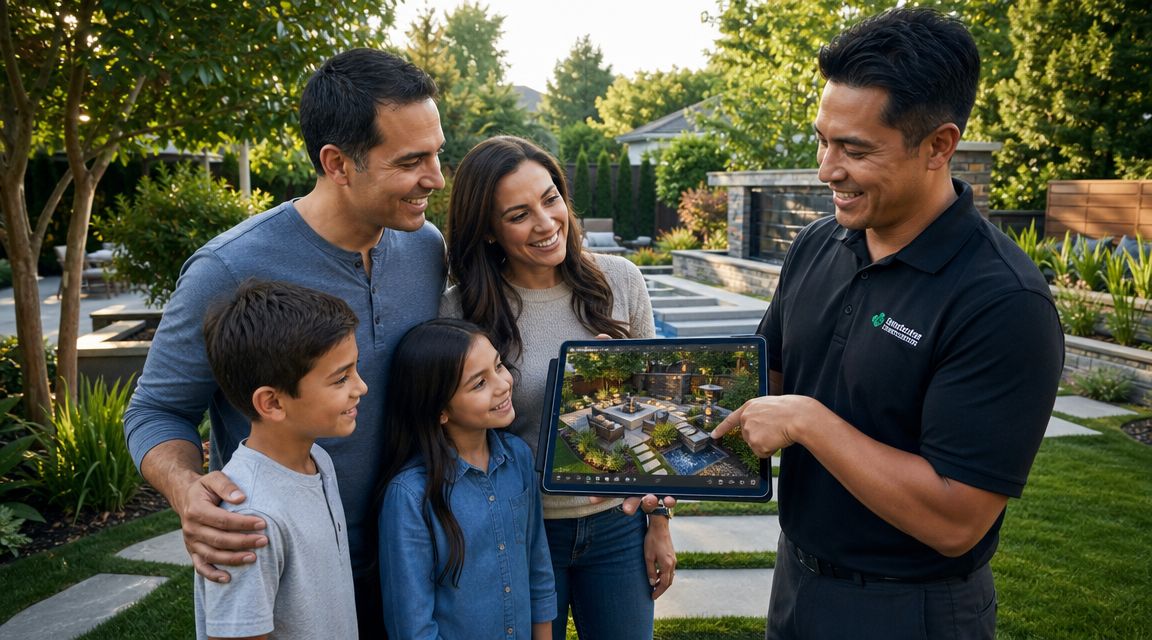
In practice, the first useful shift is moving from inspiration to use case. A family in Jacksonville might want a covered patio with a grill zone, durable walking surfaces, drainage away from the slab, and lighting that makes the yard usable after work. An investor may care less about customization and more about broad buyer appeal, lower maintenance, and a finish level that matches the neighborhood. Those are different scopes, and they should produce different contractor conversations.
Start with the way you'll use the space
A beautiful rendering doesn't answer the hard questions. Will people cook out there often enough to justify gas, plumbing, and electrical coordination? Will the deck or patio hold water after summer rain? Can equipment and materials access the backyard without tearing up fencing or side yards? Does the project need to tie into an existing roofline, slab edge, or retaining condition?
Practical rule: If you can't describe the daily use of each planned feature, the feature probably isn't ready to build.
Backyard remodeling contractors do their best work when the owner has a clear purpose, a realistic budget range, and a list of must-haves versus optional upgrades. Without that, design keeps changing during construction. That's where timelines slip and budgets start drifting.
Translate ideas into a buildable concept
The strongest projects usually follow a straightforward sequence. Define the use case and budget first. Complete the site assessment next. Finalize design before mobilization. Install utilities and drainage before hardscape surfaces and planting, because re-opening finished work later is expensive and avoidable.
A contractor should be able to walk the property and discuss grade, runoff, access, utility conflicts, staging, and finish durability in the same conversation. If the discussion stays at the level of style boards and fixture choices, you're still missing the build logic that protects the job.
Laying the Groundwork Your Project Scope and Budget
Backyard projects get expensive for one main reason. Owners try to price an idea that hasn't been defined yet. The result is a bid that looks workable on paper but leaves out real field conditions, permit items, utility work, and finish decisions that appear later as extras.

Define the job before you price the job
Good scope writing is simple and specific. List what stays, what gets demolished, what gets relocated, and what gets built new. Separate infrastructure from finishes.
Use a checklist like this before requesting bids:
- Core purpose: Family entertaining, rental appeal, resale positioning, or a private retreat.
- Primary features: Patio, pergola, covered structure, outdoor kitchen, lighting, drainage correction, planting, turf, fencing, or walkways.
- Site constraints: Narrow side-yard access, grade change, existing trees, low spots, irrigation lines, low-voltage lines, or limited power and water access.
- Finish expectations: Basic builder-grade, durable mid-range, or premium custom detailing.
- Decision hierarchy: Must-have items first, optional upgrades second.
If you're comparing surface options early, it helps to compare pavers and concrete for outdoor areas because material choice affects not just appearance, but repairability, drainage behavior, edge detailing, and labor sequencing.
Build a budget that can survive construction
A backyard budget should cover more than visible features. It needs room for demolition, hauling, grading, utility coordination, drainage components, permit-related work, finish materials, labor, and inevitable revisions when site conditions show up.
A practical benchmark is to include a 10 to 15% contingency, which outdoor planning guidance identifies as typical for unforeseen site conditions, material changes, and scope creep in major outdoor projects, as explained in this backyard makeover planning guide.
Most owners regret the upgrades they rush into less than the infrastructure they skipped.
That's especially true in Florida. Drainage, electrical rough-in, hose bib locations, conduit paths, and sleeve placement rarely impress anyone in a showroom, but they're the pieces that keep you from cutting into finished work later.
What belongs in the first-pass budget
A realistic first-pass budget usually includes the following buckets:
Pre-construction work
Site review, design development, measurements, layout refinement, and permit preparation if needed.Hidden conditions
Existing line conflicts, root zones, access limitations, unexpected subgrade issues, or demolition that takes longer than expected.Base construction
Earthwork, forms, foundations where required, framing, surfacing, drainage, electrical, plumbing, and installation labor.Finish selections
Pavers, slab finish, cabinetry, countertops, fixtures, lighting, trim details, paint or coating systems, and planting.
For owners already planning broader property improvements, Home Remodeling Jacksonville covers interior renovation work such as kitchens, bathrooms, flooring, and full residential remodels managed by licensed contractors. That matters when a backyard project needs to coordinate with interior doors, flooring transitions, or a larger whole-property update.
The Jacksonville Factor Navigating Local Permits and Climate
Jacksonville backyards don't behave like generic backyard examples you see in national galleries. The technical issues here are local. Grade, runoff, setbacks, approvals, and long wet periods shape the success of the project more than the style you pick on day one.

In major markets like Jacksonville, outdoor projects frequently intersect with grading, stormwater management, setbacks, and electrical or plumbing approvals. That means a patio, outdoor kitchen, retaining element, or covered structure can become a multi-agency process, which is why local experience matters, as noted in this Jacksonville backyard remodeling discussion.
Why simple outdoor projects stop being simple
Owners often think in terms of features. Contractors have to think in triggers. A feature can trigger setbacks, drainage revisions, electrical review, gas line coordination, or inspection sequencing.
Typical problem areas include:
- Setback conflicts: A structure or hardscape element pushes too close to property limitations or utility easements.
- Drainage changes: New impervious surfaces alter where water moves and where it collects.
- Elevation mismatches: The finished patio height doesn't work with door thresholds, existing slabs, or surrounding grade.
- Inspection dependencies: One trade can't close out until another has completed rough-in correctly.
A Jacksonville contractor who works outdoors regularly should raise these issues before the contract is signed, not after demolition starts.
Design for water first and appearance second
Florida weather is the test. If a backyard can't handle runoff, heavy rain, and prolonged moisture exposure, the decorative choices won't save it.
The order of work matters here. Utilities, drainage lines, sleeves, irrigation components, and lighting pathways need to be coordinated before finished surfaces and planting go in. Field prep guidance also stresses confirming private lines such as irrigation and low-voltage runs before excavation, because overlooked conflicts can stop work and create unnecessary labor waste.
Water management isn't an upgrade. It's part of the structure of the project.
For Jacksonville homeowners, that usually means paying close attention to slope, collection points, discharge paths, and how one improvement affects the rest of the yard. A level-looking patio can still be a failure if it traps water against the home or turns the lawn edge into a muddy basin. The best-looking backyard on completion day can become the most frustrating one after the first major rain if drainage was treated as an afterthought.
Building for Florida Light Gauge Steel vs Wood Frame Structures
When a backyard remodel includes a pergola, covered patio, outdoor kitchen frame, shade structure, or enclosure support system, the framing material matters. In Northeast Florida, the choice often comes down to Light Gauge Steel (LGS) or traditional wood framing.
Each can work. Each also carries different risks in a humid, pest-prone, storm-sensitive environment.
Where each framing system fits
Wood is familiar, widely understood by trades, and often simpler to adapt in the field. It can also be vulnerable to moisture-related deterioration, termite exposure, and long-term maintenance demands if detailing or protection is weak.
LGS is manufactured for precision and doesn't invite termite damage the way wood can. It also avoids the same rot concerns that come with repeated moisture exposure. That makes it attractive for owners who care about durability, dimensional consistency, and lower long-term maintenance pressure.
For a deeper technical discussion, this guide to steel frame vs wood frame construction for Florida homes is useful when your backyard project ties into a covered structure or a larger addition strategy.
| Feature | Light Gauge Steel (LGS) | Traditional Wood Framing |
|---|---|---|
| Moisture exposure | Doesn't rot and handles humidity exposure better at the framing level | More vulnerable if water intrusion or chronic dampness isn't controlled |
| Termite risk | Not a food source for termites | Requires stronger vigilance in termite-prone conditions |
| Dimensional stability | Manufactured for consistency and straightness | Can move, twist, or shrink depending on exposure and material quality |
| Field modification | Precise, but changes should be planned carefully | Easier for many crews to modify on site |
| Maintenance outlook | Supports a lower-maintenance framing strategy | May require more long-term inspection and upkeep |
| Aesthetic flexibility | Works well behind finished cladding systems | Familiar for many traditional outdoor forms |
| Contractor familiarity | Requires crews comfortable with LGS methods | More universally familiar in residential work |
A practical selection rule
If the structure is substantial, close to the home, intended for long service life, or part of a broader durability-first strategy, LGS often makes more sense. If the feature is simpler, highly custom in appearance, or being built by a crew with strong wood-framing capability and good detailing discipline, wood can still be the right choice.
The wrong way to choose is by habit. The right way is by exposure, maintenance tolerance, design intent, and contractor competence with the system being proposed.
How to Find and Vet Backyard Remodeling Contractors
Hiring backyard remodeling contractors should feel less like shopping and more like procurement. You're not buying a product off a shelf. You're hiring a team to manage sequencing, site conditions, labor coordination, code issues, and finish quality on your property.

A useful starting point is to gather referrals from neighbors, local suppliers, trade contacts, and contractors who already work in adjacent scopes such as fencing, masonry, screens, hardscape, or exterior carpentry. Even in another market, curated contractor-roundup content can be helpful as a model for how to compare credentials and scope fit. This overview of top fence contractors Ottawa is a good example of evaluating specialty contractors by relevance, not just by price.
What to verify before anyone mobilizes
Planning guidance consistently recommends comparing multiple bids, then verifying licensing, insurance, written timeline, and scope alignment before work starts. It also notes that major outdoor remodels often run for weeks or months, so the schedule needs to tie sequencing, material choices, and weather windows together, as outlined in this step-by-step backyard remodel planning guide.
Ask every contractor these questions directly:
What similar projects have you completed in Jacksonville or Northeast Florida?
Local experience matters more than a polished gallery of projects from other climates.Who is responsible for permits and inspections?
If the answer is vague, expect confusion later.How do you handle drainage, utility verification, and access planning before demolition?
These are early warning signs of whether the contractor understands field risk.What is included in the written scope, and what is explicitly excluded?
Good contracts define boundaries.Who will supervise the work day to day?
Salesperson, owner, project manager, or rotating crew lead. You need a name.How are change orders documented?
Verbal approvals create arguments.
This video gives homeowners a useful baseline for evaluating how contractors communicate and organize work:
How to read bids without getting trapped by price
Most owners compare the bottom line first. That's understandable and often a mistake.
A cheaper proposal may leave out demolition, haul-off, utility work, permit handling, finish details, or drainage corrections that another contractor included. Two bids can describe the same patio and still represent completely different scopes.
Read proposals for these signals:
- Clear material descriptions: Brand level, type of surface, thickness, framing approach, fixture class, and finish assumptions.
- Defined sequence: Demo, prep, rough-in, inspections if needed, surface installation, final finish, and cleanup.
- Site logistics: Access limitations, protection of existing areas, disposal plan, staging, and weather contingencies.
- Allowance language: If allowances are broad or undefined, the contract value can move quickly.
A vague low bid often becomes an expensive project in slow motion.
If you want a deeper framework, this article on how to hire a general contractor in Florida is useful for bid comparison, contract review, and pre-construction due diligence.
A General Contractor Jacksonville can provide licensed remodeling, renovation, construction management, and residential construction services across Northeast Florida. For projects that combine hardscape, structures, utility work, and finish coordination, that broader management role can be relevant.
Contract terms that protect your project
A good contract should answer basic operational questions before work begins:
| Contract item | What to look for |
|---|---|
| Scope of work | Detailed inclusions, exclusions, and identified materials |
| Schedule | Start conditions, major phases, and expected sequencing |
| Payment structure | Clear milestone-based terms tied to progress |
| Change orders | Written approval process before extra work proceeds |
| Permits and inspections | Assigned responsibility and expected coordination path |
| Warranty language | What workmanship coverage exists and how claims are handled |
| Site protection and cleanup | Responsibility for damage prevention and debris removal |
The best contractors aren't just builders. They're managers of information, sequence, and accountability.
Project Management and Maximizing Your Investment ROI
The contract doesn't finish the hard part. It starts it. Once construction begins, the owner's job is to make decisions on time, keep communication centralized, and protect the original intent of the project.
The owner's role during construction
The most stable projects usually have one decision-maker and one communication channel. That reduces confusion when material substitutions, field adjustments, or weather-driven schedule changes show up.
During the job, keep your focus on these control points:
- Approve changes in writing: Small verbal changes often affect labor, material orders, and sequence.
- Review progress against scope: Don't wait until punch list day to notice missing items.
- Check infrastructure before finishes go in: Drainage paths, utility placements, sleeves, and rough-ins are easier to confirm before they disappear under hardscape or planting.
- Distinguish preference changes from problem-solving: One is elective. The other may be necessary.
What usually holds value better
For homeowners and investors, return isn't just about resale. It's also about durability, usability, and avoiding future correction work.
Neutral housing and remodeling research indicates that high-utility exterior improvements such as patios, lighting, drainage correction, and low-maintenance hardscape tend to have a more defensible ROI than highly customized luxury features, especially when buyers are more price-sensitive, as discussed in this backyard remodeling ROI overview.
That lines up with what tends to work in Jacksonville. Broad-appeal improvements usually perform better than niche upgrades. A clean patio layout, durable walking surfaces, practical lighting, manageable planting, and a yard that drains properly will make sense to more future buyers than a highly personalized feature set with expensive upkeep.
A practical ROI lens for Jacksonville owners
If the property is your long-term home, invest in the parts that improve daily use and reduce maintenance friction. If the property is an investment, focus on improvements that photograph well, solve obvious exterior problems, and don't create a specialized maintenance burden for the next owner.
The common mistake is over-improving in the wrong category. Luxury for its own sake can be harder to defend than function executed well.
FAQ
How do I choose between backyard remodeling contractors in Jacksonville?
Compare multiple bids, verify licensing and insurance, review their written scope carefully, and ask who will manage permits, drainage, and day-to-day supervision. Favor contractors who can explain sequence and site risk clearly.
What should be in a backyard remodel budget?
Include demolition, prep, drainage, utilities, labor, materials, finish selections, and a contingency. A 10 to 15% contingency is a practical benchmark for major remodels when unforeseen conditions appear during construction.
Do backyard projects in Jacksonville need permits?
Some do, and owners often underestimate that. Patios, outdoor kitchens, structures, grading changes, and electrical or plumbing work can trigger approvals or inspections depending on the scope.
What adds more value in a backyard remodel?
Projects with broad utility usually make the strongest case. Functional patios, lighting, drainage improvements, and low-maintenance hardscape tend to be easier to defend than highly customized luxury features.
Is wood or light gauge steel better for outdoor structures in Florida?
It depends on the project. Light gauge steel can make sense where durability, moisture resistance at the framing level, and termite avoidance are priorities. Wood can still work well when detailed properly and built by a skilled crew.
If you're planning a backyard renovation, exterior upgrade, or investor-focused property improvement in Jacksonville, Ofir Engineering can help you evaluate scope, construction risk, budgeting, and project management before the work begins. For homeowners, investors, and property managers in Northeast Florida, that kind of early planning often makes the difference between a smooth project and an expensive one.
