When it comes to makes steel homes in Jacksonville, FL, working with a licensed general contractor makes the difference. Ofir Engineering — a licensed Florida general contractor (CGC 1540016) based in Jacksonville — pairs real construction experience with investor-focused project management.
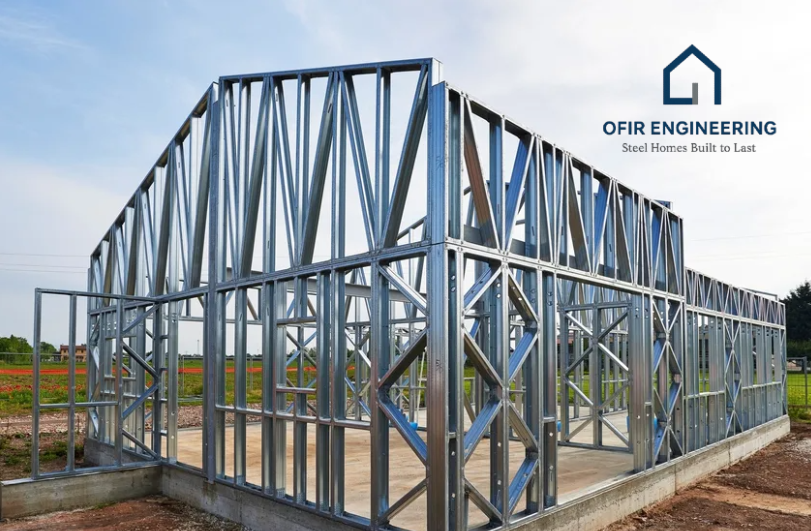
Understanding why steel homes are better in Florida weather transforms how you approach residential construction decisions. Light-gauge steel frame construction offers compelling advantages over traditional wood framing, particularly in Jacksonville and other Florida communities where extreme weather events regularly test structural integrity.
Steel homes deliver superior durability, enhanced safety, and impressive resilience against the specific environmental challenges that characterize Florida living. Let’s explore the concrete reasons steel construction represents the smarter choice for Florida homeowners.
Makes Steel Homes: Unmatched Hurricane Resistance That Protects Your Investment
Hurricanes pose the most dramatic threat to Florida properties, with powerful Category 4 and 5 storms regularly targeting the state’s coastline and penetrating deep inland. These weather systems generate sustained winds exceeding 130 mph while hurling debris at destructive velocities that turn everyday objects into dangerous projectiles.
Traditional wood frame construction often suffers catastrophic damage during major hurricane events, leaving families displaced and facing financial devastation. At this point, many begin to realize why steel homes are better in Florida weather.
Steel frame homes demonstrate remarkable resistance to hurricane-force winds and flying debris. The inherent strength of structural steel allows engineered connections that maintain integrity under extreme loading conditions that would tear apart wooden structures. Steel doesn’t split, crack, or separate the way wood framing does when subjected to the twisting forces and uplift pressures hurricanes generate.
During severe weather events, steel frames maintain their structural geometry rather than deforming or collapsing. This dimensional stability means your home remains standing and habitable even after storms that destroy surrounding wood frame buildings.
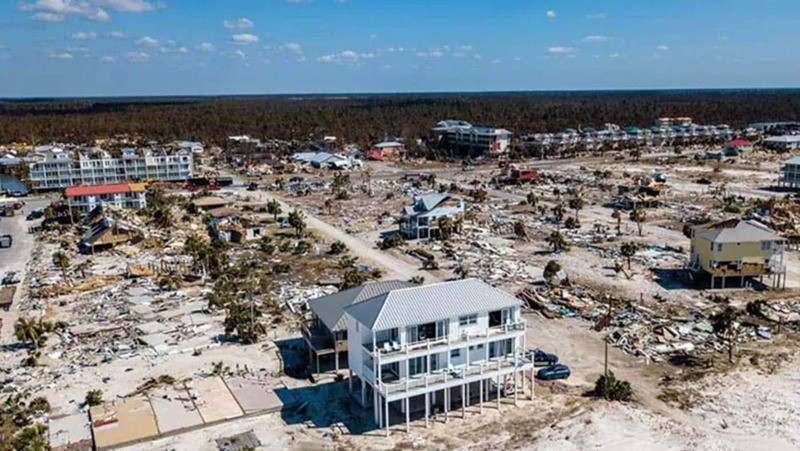
The questions like “are steel homes safe in hurricanes in Florida?” get answered definitively when you examine post-storm damage assessments showing steel structures intact while conventional construction lies in ruins.
Light-gauge steel homes throughout Jacksonville and coastal Florida communities have repeatedly demonstrated this superior storm performance. Following recent major hurricanes, steel-framed residences required minimal repairs while neighboring wood-frame homes needed complete rebuilding.
This resilience protects not just your financial investment but also your family’s safety and your ability to remain in your home after devastating weather events.
Reduced Maintenance Requirements and Expenses
Florida’s humid subtropical climate creates ongoing maintenance challenges for traditional construction materials. Wood framing absorbs moisture from the atmosphere, creating ideal conditions for decay, mold growth, and structural degradation. Termites thrive in Florida’s warm environment, causing billions in damage annually to wooden structures.
Wood homeowners face endless cycles of inspections, treatments, repairs, and replacements that consume both time and money, leaving you realizing why steel homes are better in Florida weather.
Steel eliminates these moisture-related vulnerabilities entirely. The material doesn’t absorb atmospheric humidity regardless of Florida’s oppressive summer conditions. Moisture cannot cause steel to rot, warp, or develop mold infestations that plague wood-frame homes in humid climates.
This resistance represents significant benefits of steel homes in a humid climate that only become more apparent over the years of ownership.
Termites and other wood-destroying organisms simply cannot damage steel framing. You’ll never face the recurring expense of termite inspections, chemical barrier treatments, or structural repairs from pest damage. The money wood house owners spend routinely on pest control and related repairs remains in your pocket when you choose steel construction.
Long-term maintenance requirements for steel homes focus on exterior finishes rather than structural components. While wood framing gradually deteriorates and requires replacement, properly constructed steel frames maintain their integrity indefinitely with minimal attention. This translates to lower lifetime ownership costs and freedom from the constant maintenance anxiety wood homeowners accept as normal.
For properties requiring updates or modifications, professional home remodeling services integrate seamlessly with steel frame construction, often more easily than with traditional materials. The structural stability steel provides simplifies renovation work while maintaining the integrity that protects your investment.
Accelerated Construction Timelines With Superior Precision
Construction speed matters tremendously when you’re anxious to occupy your new home or when you’re racing against Florida’s hurricane season. Traditional stick-built wood framing proceeds slowly as crews cut, fit, and adjust individual components on site. Weather delays compound these timeline challenges since rain halts wood framing work and moisture affects material quality.
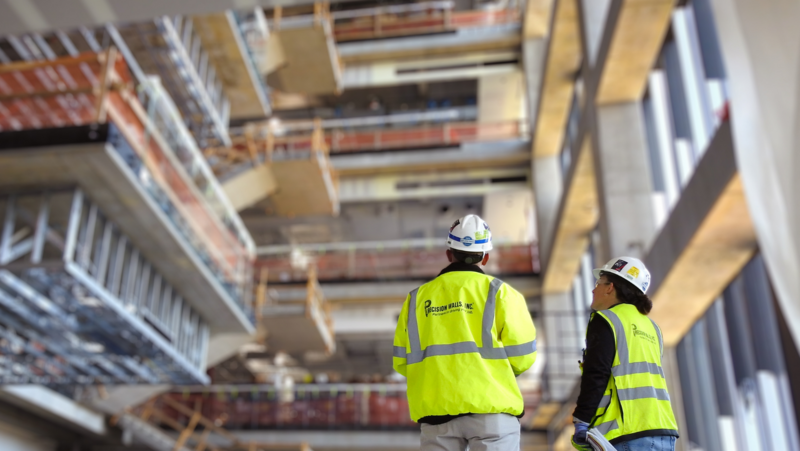
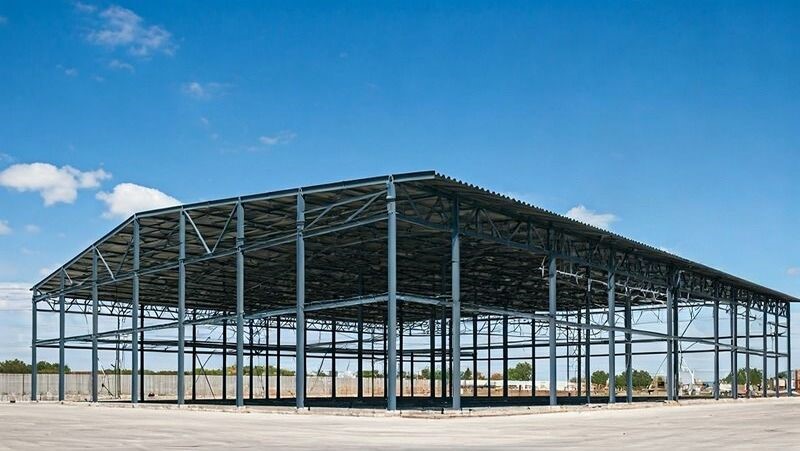
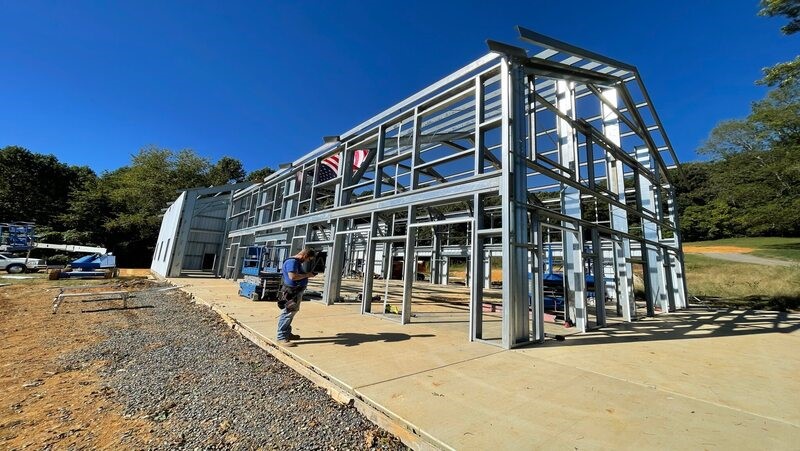
Steel home construction advances much faster than conventional building methods. Prefabricated steel components arrive at your building site precisely engineered and ready for assembly. Every structural member gets fabricated to exact specifications in controlled factory environments, eliminating the measuring, cutting, and fitting that consume time during traditional construction.
This precision manufacturing virtually eliminates the construction errors that plague site-built projects. Components fit together exactly as engineered without the gaps, misalignments, and dimensional variations common in wood framing. The result is superior structural quality delivered in significantly less time than conventional construction requires.
Weather affects steel construction much less than wood buildings. Light rain doesn’t halt steel frame installation the way it stops wood framing work. Steel components don’t absorb moisture or require drying time before continuing construction. This weather independence keeps your project moving forward on schedule regardless of Florida’s unpredictable rainfall patterns.
Faster construction means reduced labor costs since crews spend fewer hours completing your project. You also begin enjoying your new home sooner rather than enduring extended construction timelines. For builders managing multiple projects, efficient steel construction improves scheduling flexibility and resource utilization compared to traditional methods.
Outstanding Energy Efficiency That Reduces Operating Costs
Florida’s brutal summer heat drives air conditioning systems relentlessly, creating electricity bills that shock new residents unfamiliar with subtropical cooling demands. Traditional wood frame construction often incorporates thermal bridges where framing members conduct heat directly through wall assemblies, undermining insulation effectiveness and forcing cooling systems to work harder to maintain comfortable temperatures.
Steel frame construction facilitates superior energy efficiency through advanced thermal management strategies. Modern steel framing systems incorporate thermal breaks that interrupt heat transfer pathways through structural members. These engineered details prevent the thermal bridging that compromises wood frame energy performance.
Properly designed steel homes achieve tighter building envelopes with fewer air leakage paths than conventional construction. The precision of prefabricated steel components creates more consistent assemblies without the gaps and irregularities common in site-built wood framing. This airtightness reduces the conditioned air loss that drives up cooling costs in leaky buildings.
Steel’s dimensional stability maintains the precise tolerances necessary for high-performance windows, doors, and weather barriers. Unlike wood that swings, warps, and settles over time, steel frames hold their geometry. This stability preserves the energy-efficient details that control heat gain and air infiltration throughout your home’s service life.
These energy advantages translate directly to lower monthly utility bills that benefit your budget every single month you own your home. The cumulative savings over decades of ownership represent substantial financial value beyond the initial construction investment. Understanding why steel homes are better in Florida weather includes recognizing how superior energy performance protects you from Florida’s extreme cooling costs.
Critical Fire Resistance for Enhanced Safety
While hurricanes generate headlines, fire poses an equally serious threat to Florida properties. The state’s dry seasons create conditions where wildfires spread rapidly through vegetation, threatening homes in suburban and rural areas. Electrical fires, kitchen accidents, and other common ignition sources endanger families regardless of weather conditions.
Traditional wood frame construction provides fuel that accelerates fire spread and increases damage severity.
Steel offers inherent fire resistance that wood simply cannot match. The material is non-combustible and won’t ignite, burn, or contribute fuel to fires. While interior finishes and contents remain vulnerable, your home’s structural system won’t feed flames or collapse during fire events the way wood framing does.
For families living near forested areas or in communities where wildfire risk increases during dry seasons, steel construction provides security that wooden homes cannot offer. The question of “are steel homes safe in hurricanes in Florida?” extends equally to fire safety, where steel’s advantages prove just as compelling.
Exceptional Performance in Coastal and Flood-Prone Areas
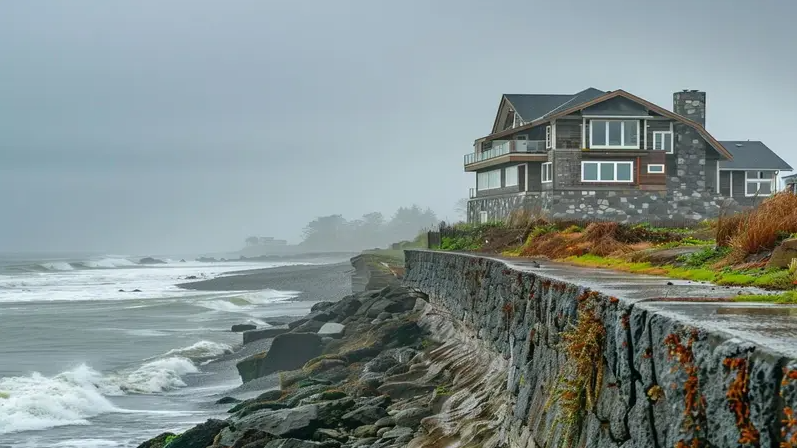
Coastal living offers unmatched lifestyle benefits but creates specific construction challenges. Salt-laden air accelerates corrosion on metal components and degrades organic materials. Periodic flooding from storm surge, heavy rainfall, or seasonal high water exposes structures to prolonged moisture contact. Traditional construction materials struggle in these harsh coastal conditions.
Modern steel construction addresses coastal challenges through specialized protective treatments. Galvanized coatings and advanced paint systems protect steel components from salt air corrosion. When properly specified and applied, these protective layers enable steel structures to perform excellently even in demanding marine environments.
Steel’s moisture resistance proves particularly valuable in flood-prone areas. Unlike wood that absorbs water and develops mold, steel sheds moisture quickly after flood events. The material won’t rot or require replacement after water exposure, the way wooden structural members do. This flood resilience reduces recovery costs and accelerates your return to normal life after flooding incidents.
For properties in designated flood zones, steel construction facilitates elevated foundation designs that minimize flood exposure while maintaining structural efficiency. The material’s strength allows longer spans and more open lower levels compared to wood construction. These design advantages help satisfy flood zone building requirements while creating more functional and attractive homes.
Jacksonville’s coastal location makes flood resistance particularly relevant for local homeowners. Understanding the benefits of steel homes in a humid climate includes recognizing how steel performs in the moisture-rich environments that characterize Florida’s coastal communities.
Managing large-scale construction projects in challenging coastal environments requires expertise that extends beyond simple building skills. Experienced commercial construction services bring the technical knowledge necessary for successful steel building in Florida’s demanding conditions.
Long-Term Durability That Protects Generational Wealth
Home construction represents most families’ largest financial investment. The building materials you select determine whether that investment appreciates steadily or requires constant infusions of maintenance and repair capital. Traditional wood construction demands ongoing attention and eventual component replacement as materials degrade over decades.
Steel frame homes deliver exceptional longevity with minimal upkeep, which is a big reason why steel homes are better in Florida weather. Properly constructed steel structures maintain their integrity for generations instead of requiring major structural repairs after a few decades. This extended lifespan not only protects your investment but also helps build long-term value that your family can rely on.
The dimensional stability steel provides prevents the settling, sagging, and deformation common in aging wood frame homes. Your doors and windows continue operating smoothly rather than binding and sticking as the structure shifts. Finishes remain intact without the cracking and separation caused by structural movement. This stability preserves both functionality and appearance throughout your ownership.
Steel’s resistance to the degradation factors that destroy wood means your home’s structural value remains stable rather than declining over time. When you eventually sell, buyers recognize the superior condition and reduced future maintenance that steel construction provides. This market recognition translates to higher resale values and faster sales compared to aging wood-frame properties.
For property owners managing multiple buildings or investment portfolios, professional property management services understand how steel construction simplifies long-term maintenance while protecting asset values across decades of ownership.
Frequently Asked Questions
How do steel homes handle Florida’s extreme humidity and moisture?
Steel’s inherent moisture resistance makes it ideal for humid climates. Unlike wood that absorbs atmospheric moisture and swells, steel remains dimensionally stable regardless of humidity levels. Properly coated steel resists corrosion even in coastal areas with salt-laden air.
What is the typical lifespan of a steel-frame home in Florida compared to wood construction?
Steel frame homes routinely last 100-plus years with minimal structural maintenance when properly constructed with appropriate corrosion protection. Wood frame homes typically require major structural work or replacement after 50 to 75 years, as framing members deteriorate from moisture, pests, and general degradation.
Do steel homes cost significantly more than traditional wood frame construction in Florida?
Initial construction costs for steel homes typically run 10 to 20 percent higher than comparable wood framing. However, total ownership costs strongly favor steel when you include lower insurance premiums, minimal maintenance expenses, superior energy efficiency, and extended service life.
Can steel frame homes achieve traditional architectural styles, or do they look industrial?
Steel framing supports any architectural style from traditional to contemporary. Interior and exterior finishes attach to steel frames identically to wood framing, so appearance depends entirely on your finish selections rather than the structural system.
How does steel construction perform during power outages after hurricanes?
Steel’s superior structural resilience means your home remains intact and weather-tight after storms, providing shelter even during extended power outages. The material’s thermal mass helps moderate indoor temperatures more effectively than wood construction.
Final Thoughts
Understanding why steel homes are better in Florida weather transforms construction decisions from simple preference to informed choice based on performance, safety, and long-term value. Steel construction addresses every major challenge Florida’s climate presents while delivering advantages that compound throughout your ownership experience.
Steel frame homes provide the resilience, efficiency, and longevity that protect your investment against weather challenges. When you’re ready to discuss how steel construction can deliver superior performance for your Florida home, contact our qualified builders at Ofir Engineering, who understand both the material’s capabilities and the specific requirements successful Florida construction demands.
Related guide: Steel Frame vs. Wood Frame Construction in Florida — our complete comparison of steel vs. wood framing for Florida homes.
